“This is the last great party! 2018, Russia, Putin. 2022, Qatar. And FIFA’s fascism will probably only worsen. This World Cup – right now – is the last great footballing party ever.”
It is a strange feeling, reading about events in one’s own lifetime as if they were historical events. There is a factual nature that colours the experience of reading about past events in a book. A completeness, a totality and a clarity. As if the author has the whole picture and can see how and why the cosmic bodies move through space and time, how they interact, overlap, pass each other by and leave scars in their wake. This of course contrasts entirely with one’s own experience of a time and space, utterly bewildering and with no sense of the rhymes or reasons that will become discussed and settled on in the subsequent years as to what events have happened, what they mean, how they will be seen and so on. This is of course how we write stories, about ourselves and moments, but anyone who was there will tell you how it just wasn’t like that.
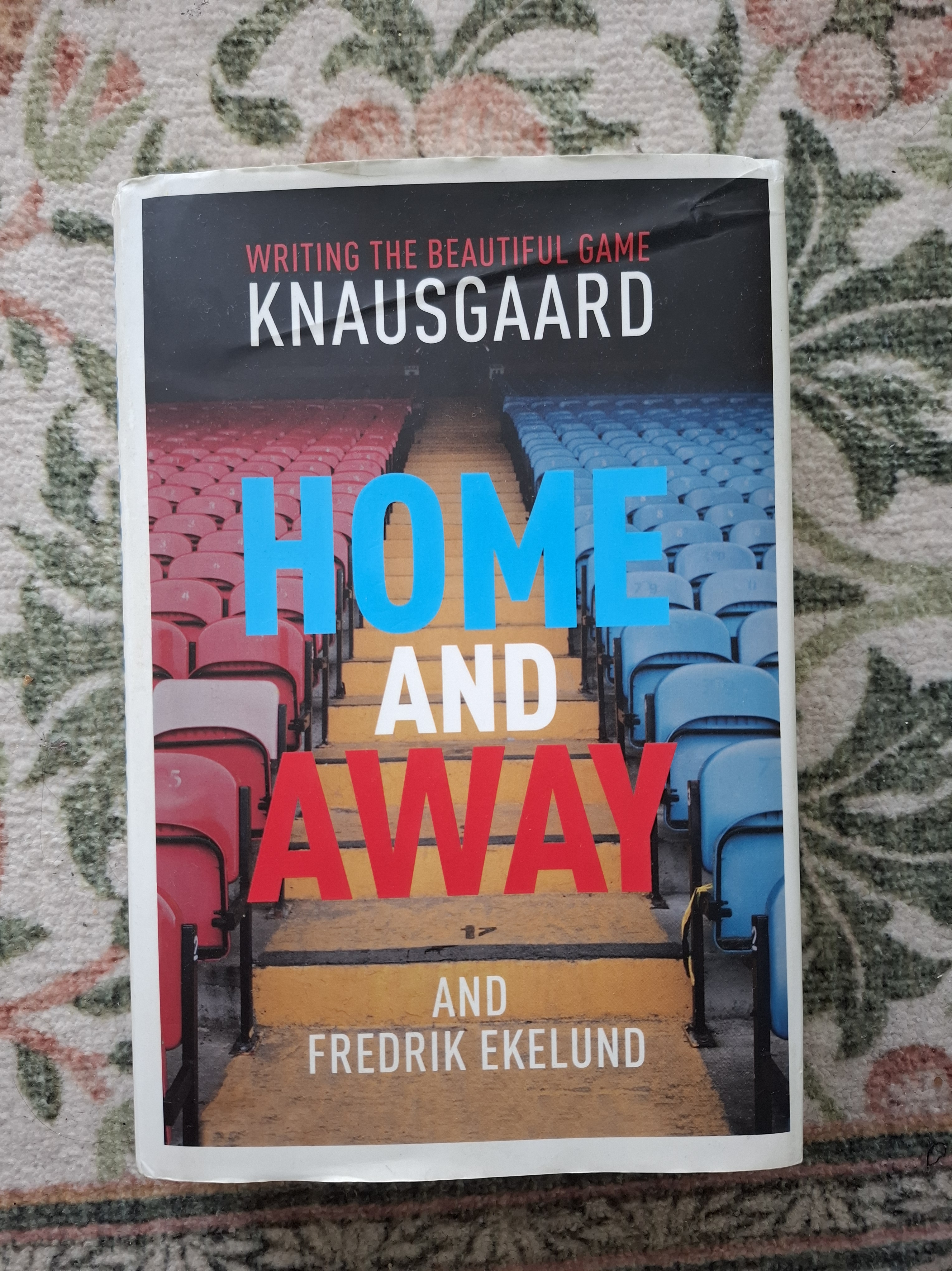
It’s stranger still, then, to be reading about events from the past where you are recognising a truth which you had not truly understood yourself about current times, and the strangest of all to realise that those truths emerging from the past like ghostships out of the mist on the open sea are written by people observing events in their own time and predicting what it will mean for the future, for my time. This, for me, was the great joy of reading Home And Away: Writing the Beautiful Game, by Karl Ove Knausgård and Fredrik Ekelund and translated from the original by Don Bartlett and Seán Kinsella, which covered the build-up and unfolding of the World Cup in Brazil 2014 through a series of letters sent between the two writers. The defining aspect of this arrangement is the fact that Ekelund, a Swedish novelist, playwright and translator, is in Rio de Janeiro for the tournament, while his (better known in England) counterpart, the Norwegian author and essayist Knausgård is watching at home in Skåne, southern Sweden. In this way, the discussions not only reflect the two men’s different experiences, knowledge and tastes in the game, but their perspectives are also shaped differently by their proximity to the tournament itself, something with yields such an endlessly rich vein of observations and episodes that it’s hard to remember that there are some people out there who have no interest in this sport and do not see any relevance it has to the wider world. If I doubted that assessment before reading this book, I am now completely persuaded in its absurdity.
Over the past few weeks of reading this book, this chronicle of a spellbinding oasis in the recent history of football, I have wanted to discuss this book with longtime fans of the game and those who flirt with an interest during these major tournaments. Particularly, about the magic that this one had in Brazil, a Mecca of the beautiful game, and the clear contrast with the build up to the tournament this year in North America and the state of the game and indeed the world in the 2020s.
To determine the victors for this year at least, and indeed at most
One of the most animating feelings of these major football tournaments that don’t come around every year comes before the tournament even starts, in that moment of anticipation after the domestic season has ended and all the news coverage turns towards the games to come; the nature of football in the host country can be examined alongside the host team’s pedigree in international football, the teams are released and the endless debates begin raging as to who should have been on the plane and who should have been dumped, who’s injured and who might surprise us and who will probably let us down; and most importantly, the initial group match ups have been decided, and thus begins the most exciting discussion of the build-up which is predicting who will go out first, who will go far and who will go all the way and win. And fans across vast seas and continents begin to hope and dream of what could be.
Home and Away, our (fan) culture vs. theirs, travelling to places for the world cup vs. experiencing it on the tele and in print, “life versus death, yes versus no, Brazil versus Argentina”, and what will triumph at the end of all that, this time at least.
And this is where our letters between Knausgård and Ekelund begin, on 10th June, just days before Brazil 2014 kicked off and before Ekelund himself has left home in Sweden for Rio. And before we get into the football, we start with the way Ekelund found his way into the culture of Latin America, during the 80s as a student in Paris, through making a friend with a Mexican and reading poetry together. And through this anecdote, he suggests how languages are like an array of different houses which, if you are able to learn one well enough, allows you to enter and make a home there, a neat way of setting up the fact he will make a home in distant Rio for the next 4 weeks. Meanwhile, back home in Sweden, Knausgård has returned home from grilling sausages on the beach with his children and immediately sets himself up as the opposite of the romance of Latin America, as a subdued, abnegating Protestant to the bone. And thus we have the key faultline of the tastes and cultural experiences that frame the book and likewise the relationship of international football to the cultures they sit in: Fredrik has a taste for games with flair that go end to end and hence is in Brazil not simply to get a front row seat to the tournament but also to the team he wants to win (spoilers, but he will be sorely disappointed here); Karl Ove on the other hand has far more interest in the tactical chess match type of play, teams who are well organised, deny their opponents through exploiting their weaknesses and “never do anything beautiful for the sake of beauty”, despite being able to do so. Hence, his loyalties lie with Italy and Argentina, the cynic’s choice of allegiances.
Home and Away, our (fan) culture vs. theirs, travelling to places for the world cup vs. experiencing it on the tele and in print, “life versus death, yes versus no, Brazil versus Argentina”, and what will triumph at the end of all that, this time at least. In six pages, all of this is set up for us, and when I read these pages I had that same feeling that you have when scanning the group stage matches and imagining what lies in wait for you over the next few weeks. We then arrive with Ekelund in Rio de Janeiro and immediately we are thrown into the world of Brazilian football, beauty-salon proprietors with sons playing in the Italian first division, highways with warring gangs firing stray shots at each other from either side, Airbnb hosts doubling up as professional musicians with casual charm and a twinkle in their eye and we remember why, especially in a country like Brazil, the days building up to a World Cup are as captivating as they are. Every 4 years, for barely a month, we and the rest of the world are thrown headfirst into places most of us have never been and will never go to, and are hit with the full onslaught of a foreign land and a world as rich and vibrant as anything we can imagine from our own – food, people, histories, music – and on top of that, unlike a holiday we are actually here with a purpose and an emotional investment in the outcome. We are here, whether through our televisions or for a lucky few like Ekelund, in person, for glory, in the greatest competition in world history. Glory, whether that’s getting to the knockout stage or beating age-old rivals or coming back against all the odds or holding on until the death or winning the whole bloody lot or simply not coming bottom of the group, in the whirlwind of confusion and anticipation and stories and intrigue, we have to set out our stall and stake our claim to footballing glory. At least, that’s what it feels like at the start of the tournament, and indeed at most, it stays that way for the duration.
World Cups of years past
No discussion of a build up to the current world cup is complete without a recap of those gone by, recounting the big names and stars of the time and the clashes and upsets that have gone down in the history of the game. Ekelund watched England win the world cup with Bobby Charlton, Bobby Moore, Nobby Stiles and Alan Ball when he was 12. 4 years later, he witnessed Pelé and Brazil at the height of their powers in Mexico ’70. He saw the birth of Dutch total football on the international stage with Cruyff and Neeskens in West Germany ’74; the arrival of Diego Maradona onto the international scene in España ’82 and getting the greatest prize of his autograph after Argentina beat Brazil in R16 during Italia ’90. Knausgård describes how during the days when football was far less commercial and popular, Norway showed almost no football on tele, and so the world cup was one of the few gluts, with matches happening every day and the best players in the world on their screens. A far cry from how we see the game today, and yet there’s still something exciting about seeing all these titans and minnows of the game playing in one tournament, in their national colours with something that seems real on the table to fight for. His first ‘proper’ world cup, i.e. one you don’t simply remember happening but actually follow and take in, was España ’82, where he saw the best game of his life between France and West Germany and grieved the result. Then in France ’98, with Norway beating Brazil in the groups to take the second qualifying place, and Argentina beating England on penalties in R16 at the same time his first novel came out; being in love and watching Italy get robbed by the ref from an Italian coffee bar in Stockholm in ’02; watching Zidane headbutting Materazzi in the ’06 finale from a Bergen hotel room with his two children; and finally, seeing Spain take the victory in the 2010 finale from a rented house in southern Sweden whilst house-hunting for his current home, and the living the memory of it being the perfect summer “as all World Cup summers are”.
Why we feel this is answered in a point from Ekelund in his following letter: having rued that same France v. West Germany game in ’82 which he watched from a café in the south of France, the story of that match became one of ‘French’ elegance versus ‘German’ efficiency, and from there he suggests that there are always two histories of World Cups. An objective history, and then a history the football lover remembers. The former, a stream of stats and results, the latter, the memories which come from those teams we fall in love with. The stuff that real stories are made of. Recalling the language metaphor from earlier, one is “the subjunctive (the world as it might be)”, the other is “the indicative (the world as it is)”.
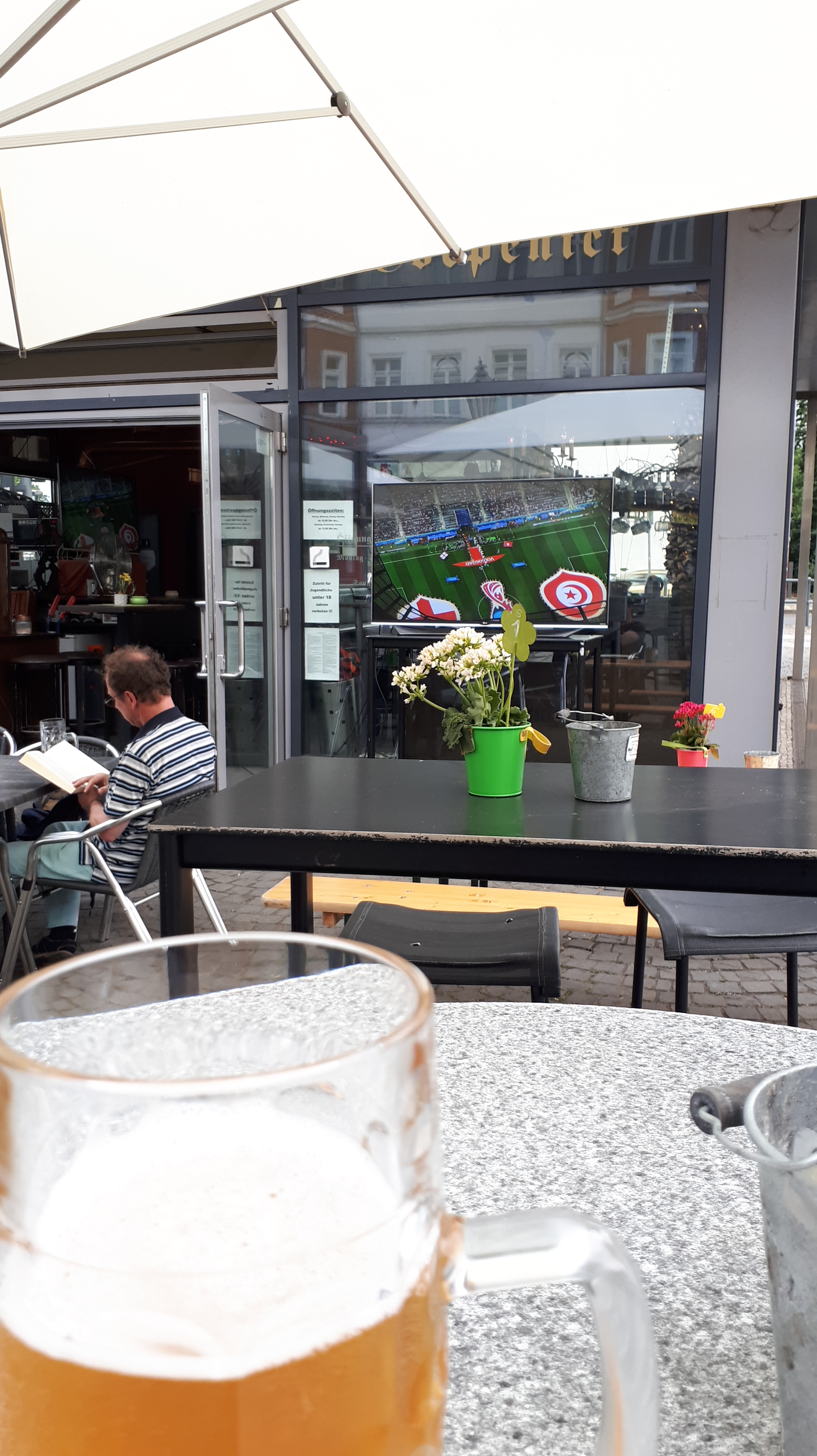
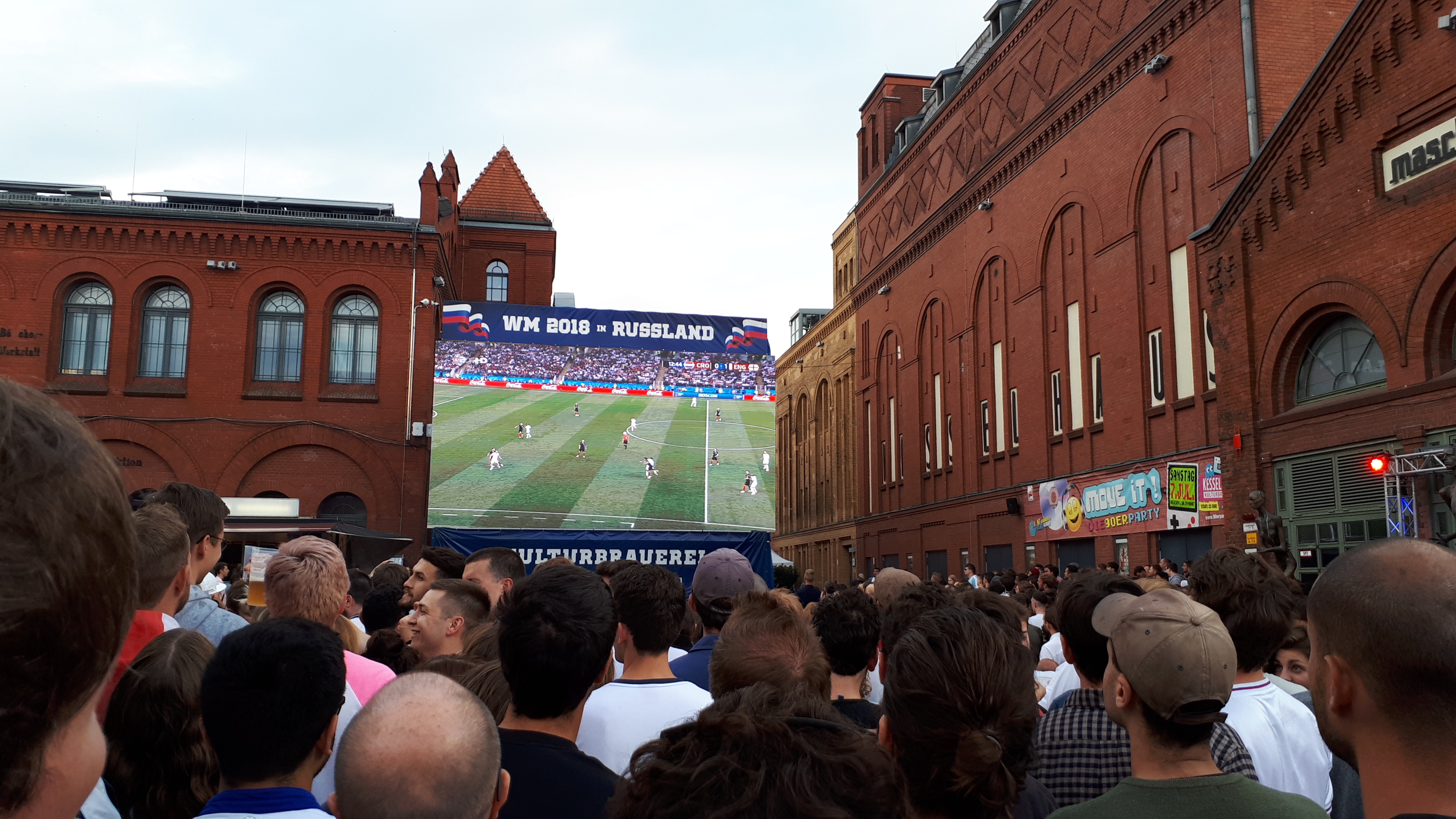
For my own part, there are two world cups that I have memories truly bound up with: during Russia 2018, watching England break the curse of the penalty shootout against Colombia from a hotel in Mallorca, before returning to Berlin (where I was finishing my Erasmus year at Humboldt Universität) to watch the semi-final of England v. Croatia and the abject disappointment that ensued from the total lack of momentum after the early England goal from Kieran Trippier’s free kick, the deluge that burst from the heavens and drove us inside for the second half and ultimately, the defeat that brought us all crashing back to Earth after all the hope that Southgate’s England had inspired over the previous 4 weeks. Then in Qatar 2022, the first full Christmas out of covid lockdown, the bizarre atmosphere of the first world cup to be held in winter, the mixed emotions of only making it to the Quarter Finals yet that being to the reigning champions of France, and the madness of being 6 months into doing advertising at Greene King and trying to market two of the biggest pub events in the English calendar simultaneously.
One big theatre of dreams
All of this is post the 2014 cup in Brazil however, and so is for later. The first World Cup I can remember is Germany ’06, at the height of the talk of England’s so-called “Golden Generation”, which ended up with yet another anticlimax when we crashed out in the Quarter Finals to Portugal on penalties. I remember my Dad bought me my first panini world cup sticker book and a distinct pang of disappointment from the loss to Portugal, but not much else. By 2014, I was not particularly interested in football and England’s international performance had been in the doldrums since 2008, so again the memories are sparse, and this book was able to fill in a lot of blanks.
One blank it did not fill in, as the gap was not there in the first place, was the experience of being in Brazil as it neared the beginning of the opening match of the tournament, which Ekelund relays to us vividly. Exiting the metro and walking through Copacabana “I felt a tingle in the chest, a sensation of being present, a feeling of happiness…Right at this instant you’re here, in the middle of this throng, in the middle of this reality, and the bars are packed and the traffic is thundering by”. Brazil in this book comes through truly as the home of ‘jogo bonito’, a place where the game is celebrated every single day and the party and constant mingling of cultures never has to stop, and the only place the World Cup, the greatest party in the world, could be held in its truest spirit. Ekelund makes his way down to the bright blue of the Atlantic, has a swim and then finds his way towards the pitches on the beach where he knows some locals who play football there, on the sand, every single day of the year.
And now we get back down to brass tacks, because in his letter he is just under 4 hours away from the opening game of the World Cup 2014 in Brazil, Brazil v. Croatia at 17:00, car horns are already blaring and the big outdoor screens are preparing to broadcast. The “theatre of dreams” is about to open, and I can only agree when Ekelund says “it’s these moments, prior to the first kick-off, which loom largest. When all the supporters’ dreams are still alive and intact…it is beautiful. The party is still alive. Everyone has arrived. The table is laid. No one has been forced to go home yet, and that first melancholic sense of decay – the withering of the first flowers – and of the end being close, the reality of loss, defeat, has yet to set in.” The feeling of anticipation at this point is more than palpable, even in the current World Cup year, with a tournament in far different circumstances to that of 12 years ago. Despite all the negativity and unwanted injuries and rivalries of the domestic season, the font remains brimming with possibility. The first game begins, and as Knausgård says “the constant cheering, the excited commentators; you can watch or not, but it will still define the time, frame the moment, in a historic way even while it is ongoing: Summer 2014.”
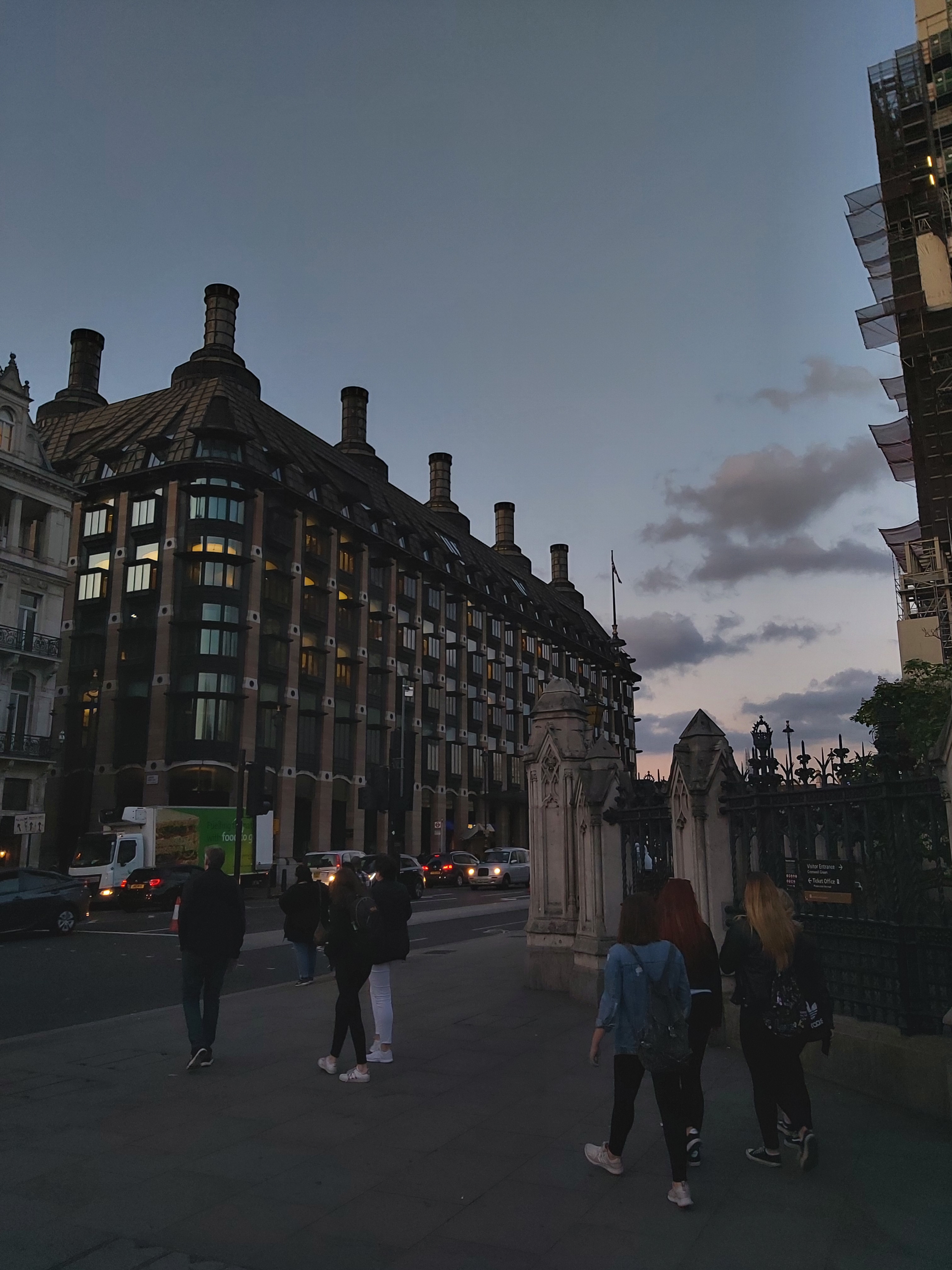
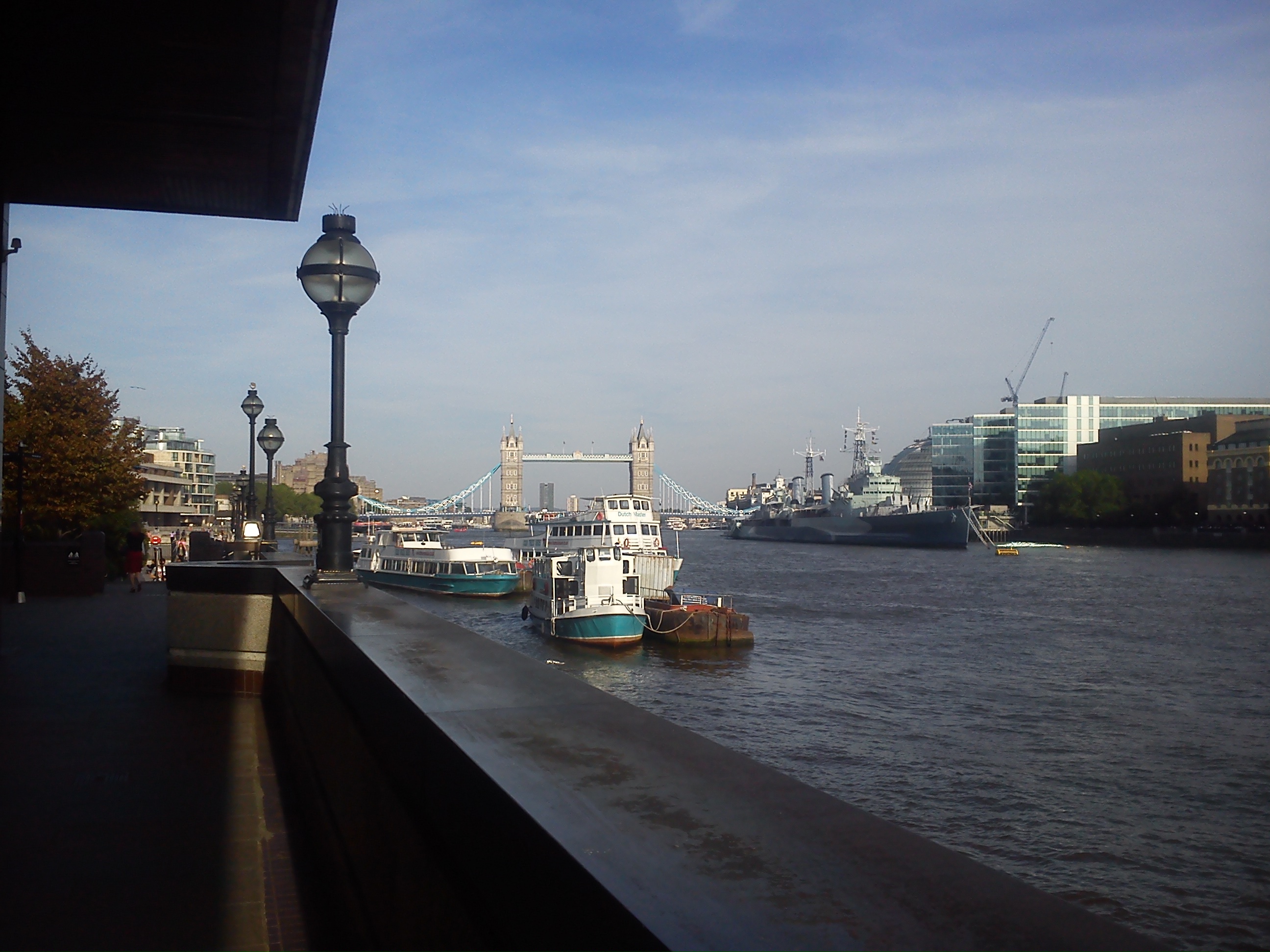
There is something metaphysical about the way summers mark the passing of time, the way they almost live outside the happenings of the rest of the year and in their own perpetual dream state. Knausgård points to this, suggesting that in 20 years’ time generations in their 30s will hark back to that summer “with its own special aura and mystique”. I spent a lot of that summer visiting universities I was considering going to, playing a lot of chess with the same friend (which most of the time I lost) and interning in my local MP’s office in Parliament. The clearest memory I have is walking along the bank of the Thames from Westminster to Liverpool Street station on the last day of my internship; the sun was bright but not too hot, and the bars and pubs along the Thames were packed with after-work drinkers. If it ever rained that summer, I do not remember, as it is only sunny in my memories. It was a time of future possibilities, friends, fun, drinking and eating outside. This is despite the fact that the rest of 2014 is a bit of a turning point for the worse; the European Parliament elections in May that year marked the first real advance for the far-right Europe-wide, with UKIP at the head of it in Britain; Euromaidan had toppled the Ukrainian government in the February before Crimea was then annexed by Russia in March; the Eurozone Crisis had still not abated; ISIS had emerged in northern Iraq. Yet none of this changes the summer of that year in our memories. The greatest proof of this phenomenon is the summer of 1914 before the First World War, as captured in Stefan Zweig’s World of Yesterday. As Knausgård says in his letter “the summer is hot, and there is a profundity to it, something eternal, I imagine, and a fullness and laziness”. No one was to know what awaited them and it did not matter, because forever after, the summer of 1914 would be remembered for everything the following years were not. All stories, like those of World Cups gone past, are made of the things we feel and choose to remember, not a day-to-day recounting of events. Not the humdrum of ritualistic family life that characterises a lot of Knausgård’s letters and in fact does provide a welcome contrast to the grander narrative of the tournament and vibrancy of Ekelund’s letters from Rio, if nothing else to remind you precisely how football above all lifts you out of the day to day and puts you in a world of heroes, villains, melodrama and epic storytelling.
With football matches as with books, you can judge them after the first few lines
We all know what follows the start of the World Cup in the summer of 2014: the Eurozone Crisis came to a head again in 2015 in Greece; refugees came across the Mediterranean in numbers never seen before; Britain voted for Brexit; Putin invaded the rest of Ukraine; Trump; Covid. And of course, the events of the tournament in question. The luck of the draw meant the Group stages in 2014 had some immediate belters, setting the tone for the whole tournament. Chile making their presence known in an easy dispatch of Australia, Germany battering Portugal 4-0 which Ekelund didn’t anticipate, and the “instant classic” of Holland v Spain, ending in a 5-1 annihilation of the reigning champions despite Spain having the upper hand in the first half. Ekelund sees in this the death of tiki-taka football being on top in terms of playstyles, however what was to replace it? Immediately we find our first villain of the tournament, there is something about the Dutch team that doesn’t sit well with our man in Brazil, allowing us to consider one of the great truths of football spectating: no footballing opinions have to be justified, because more than opinions, they are just feelings, and feelings simply are what they are. Football is about personalities as much as moments and tactics, and why we find ourselves drawn to personalities and repelled from others is as good as anyone’s guess. Ekelund likes Belgium despite their underwhelming opener to Algeria, because they are something to keep the idea of Belgianness alive despite the fractures of that country. He does not like Italy, and the Brazilians of Rio seem to hate them, meaning they are all cheering for England when the time came for their first opening match against the Italians, in a close-fought match that would doom both teams ultimately to crashing out in the group.
Knausgård admires the Italians’ guile however, their determination to find any way to win – and in that same vein, we come to Argentina’s first game against Bosnia at the Maracanã, which unfortunately for our Norwegian friend is a bit of a damp squib. Argentina are plodding and uninspired, beating Bosnia 2-1 yet not as a team, and in what Knausgård believes will be the championship of the counterattack, his beloved Albiceleste are sure to do badly in the cup. Despite this, he is likewise displeased by the balance and variation of the Germans, who’s efficiency is already on show, but where is the improvisation, the risk, the frailty? That Germany would be a machine in the 2014 cup was clear from early on, however there is a perverse joy I have in knowing how the story continues, with the machine crashing to an utter halt in the subsequent 2018 and 2022 tournaments.
Storytelling has its own joy, and it lies in the fact that good stories reveal things to people that they didn’t know or otherwise appreciate before. The most important thing is to get the balance of factual detail calibrated right, to maintain the vividity of the narrative, of the story itself. Ekelund asks Knausgård in a later letter how he does it, managing (as those who have read his My Struggle series will tell you) to pull an avalanche of detail from somewhere into the story without damaging its coherence. His belief is that the will to tell a story often leads us away from the truth of it. Hence the need to include interesting details that people will not know or have really thought of, and leave out those which muddy the waters. “Stefan Zweig would never have written a eulogy to Argentina” he says, precisely because, unlike Brazil, Argentinians have erased all the hidden and contradictory details of their own country, leaving no story to tell.
So, what is the answer? Perhaps it lies in the storyteller uniquely noticing the details that others would not, alighting upon something different, but which matters to them. For Knausgård, it is difference which drives all storytelling, saying and writing things which others have not. In a later letter he writes that creativity is about working to find something within you and draw it out. Hence, the storyteller’s world is as much about the storyteller and what they see as it is the world itself and gaining that perspective is the value of the story, especially if this questions our own perspective. Knausgård fears the alternative, the emergence of distances between us and of fronts which can no longer be broken down. Certainty, absoluteness, and the distance it creates between us, is the danger. Seeing something different and appreciating how it is similar is the work of storytelling. He provides an example from Transströmer, a Swedish poet who wrote about his exposure to the Baltic landscape and yet which spoke to and revealed something to Knausgård about his own island home of Tromøya, in Norway. The details he saw were both different and similar, and “the world opens up for you anew”. How does Knausgård himself find so much detail to include? Like a footballer, one must be in form. Once you find the zone where everything flows freely, everything goes your way, you can do things you’ve never done before – the story takes care of itself.
Storytelling has its own joy, and it lies in the fact that good stories reveal things to people that they didn’t know or otherwise appreciate before. The most important thing is to get the balance of factual detail calibrated right, to maintain the vividity of the narrative, of the story itself.
A good, complicated story has good subplots, and Brazil 2014 was certainly not missing them. After Spain’s defeat to Holland, they were then roundly bested by Chile 2 goals to nil, which sealed their fate and perhaps that of the playstyle for the tournament. Ekelund reminds us of the key rule of history “all hegemonies must end”, energy and desire ebbs and flows, with “3 heavy gold medals hanging around their necks” since the 2008 Euros, what more hunger could they have?
Indeed, what was to follow tiki-taka football as the way to win is one of the questions that cropping up in their letters from the Group Stage onwards – would it be the extreme pressing end-to-end rollercoaster of Marco Bielsa that Chile had embraced and were bringing to bear? Certainly, it would not be the anti-football of Italy and Uruguay, who faced off in the “battle of the ugly teams” as Ekelund puts it in the last game of the groups and infamously witnessed Suarez biting Italian centre-back Chiellini on the shoulder. FIFA’s depravity was of course still a running theme going into this tournament, with Ekelund commenting that they will lose any last shred of dignity they have left if they don’t ban Suarez from the rest of the tournament, which they promptly do, indeed for the next 9 international matches.
And then we come to Brazil, the hosts, the seeming main character of the 2014 cup, and the biggest subplot of them all. Brazil possibly not being good enough to win it was something picked up by both Knausgård and Ekelund from the very start. In their second match against Mexico which they drew with no goals scored, Knausgård writes that they look lazy, too easily pegged back and lacking in several key areas – they did not look like a team. He had noted earlier the fact that in their first game the Brazilian crowd cheered every time Neymar touched the ball, pointing to a possible fair-weather casualness about them. Nevertheless, barely a quarter of the way in and still in the midst of the group games, Knausgård predicts it will be a Brazil v Argentina final, despite his similar uncertainty about Argentina. Early calls like this are always fun. In many ways that would have appeared to be the perfect story for Brazil 2014. With the benefit of hindsight, it came close, and yet football had a better story in store for us.
Counterintuitively, it is during Brazil’s final group game against Cameroon where they win 4-1 that Ekelund calls it: Brazil have failed in their mission to deliver o jogo bonito, the beautiful game. In stark contrast to his descriptions of Rio during the tournament, which show us the beauty of that place and its people. Everywhere, the bright yellow of the Brazilian kit, the boundless energy and jubilation, the street bars of the bohemian Lapa district, lots of caipirinhas, seeing a man dressed as a pirate on 3-metre stilts and playing a trumpet. Two brief encounters capture the Brazil of the 2014 World Cup for me – after the first Argentina game, Ekelund is walking near the Maracanã with football fans milling around everywhere and spots who he is certain was Diego Maradona, who is just getting into a car but manages a handshake with our starstruck Swede. In his follow up letter, Knausgård talks to why he remains so admired, even now, and that is because his joy of the game was the joy we all experience in this game, the “anti-seriousness. Anti-meaning. Anti-intellectual…the falcon gliding on the wind…the otter sliding down the snow-covered mountain…it is only fun. It is a sparkle.” Maradona had more of that sparkle than anyone.
The other encounter was about meeting a transformista in one of the bars in Lapa, a drag-artist as we might call them, and Ekelund had never met one before, which came as a joy to him. “Isn’t that what we want” he writes, “to find out something new, to learn new things, all the time?” If you believe this, as I do, you cannot come away from this book without feeling Rio is the place for this. And this is the joy of all travel, of all forays into worlds and cultures beyond our own. Languages have already been mentioned, as doorways into other homes. These homes are always different, immediately noticeable, they are never like the home you came from. Knausgård mentions it even in Sweden, despite living there for years and coming only from Norway next door. The same can very much be said for Portugal and Spain, which Ekelund talks to in a later letter, about how each approached their Latin American empires differently: the strict mindset of the Castilians obliterated the local cultures they encountered; the softer, more melancholic Portuguese were far less exacting on the natives of Brazil. Every home your find your way into has a different temperament. This finds its way into the language, which he touches on again later when one of the local artists he plays football with explains the metaphorical nature of Portuguese and how it suffers when it tries to be as concise as English.
Ekelund takes the point further, Brazil has been good for him, smoothing over the sharp edges of his protestant heritage and making him bigger, more whole, “more complete as a person”.
It should be no secret that I adore this way of looking at the world, and it reminded me strongly of the Night Train to Lisbon by Pascal Mercier which deals a lot with this theme, suggesting we can find new parts of ourselves by going to different places. Ekelund takes the point further, Brazil has been good for him, smoothing over the sharp edges of his protestant heritage and making him bigger, more whole, “more complete as a person” (which is different from any kind of cultural self-loathing). Not everyone takes to finding new things in themselves quite the same way of course, and Knausgård notes he still feels an unfamiliarity when speaking in Swedish. Nonetheless, he enjoys finding similarities in the differences of culture, for example when he visits Warsaw at one point in the book to promote his books, he sees in Poland a lot of the Norway he grew up in. By contrast, the reason he came to support Italy emerged after a visit to Florence in the 80s where he noticed everyone looked good, “the ugly and the beautiful, the young and the old, men and women.” Likewise, the old streets they walked in, the new cafés, “everything had an aura, character and was beautiful” and it represented everything Knausgård wasn’t and wanted to be. Seeing a new world is one thing however, it is language that offers a way into the world. He acknowledges this, lamenting his lack of languages as they not only open worlds to you, but also something inside ourselves. “You have access to something else when you’re speak another language.” The evidence of this comes in the negative when the two Scandis are discussing Thomas Mann’s book The Magic Mountain, which in Norwegian is Trollfjellet, and Ekelund admits he never would have guessed it. “It calls a whole other Nordic magic to mind, Thomas Mann in the Hall of the Mountain King…so strange how these membranes of foreignness can cause problems and make the difference, which is sacred, so clear.” The joy I take from this is immense, this is the stuff of our common European neighbourhood, languages and cultures living close to each other and influenced by each other and yet burning with a desire to be different in so many ways.
What a fantastic world cup we are witnessing Karl Ove
Anyway, back to the tournament at hand. The excitement always palpably builds after you have seen all the teams play and conclusions good and bad can be drawn. Both have emerged, the strong contenders and those who already will be soon packing their maletas. Unfortunately, for my own country, England’s loss to Uruguay put them in the latter camp. Ekelund remarks on the utter lack of ability at the time for the English to make a good go of it, “it is no loss that they are out”. On the other end of the scale, you have Germany v Ghana in what Knausgård calls the best match of the tournament so far, and Chile v Holland in which Holland’s “disagreeable, gifted Robben” “prises open the Chilean sardine tin with two beautiful, clinical passes” both of which lead to goals in a 2-0 win. What is clear from even now is the quality of the tournament, which Ekelund notes in a letter during the group stage “what a fantastic world cup we are witnessing” and later, “it’s been one big party up to now and I cannot see any reason for that not to continue.” Later in a conversation with FT journalist Simon, they agree it is probably the best since España ’82, with the victory of attacking football, and surprisingly also the supposed twilight of wizards the likes of Neymar and Messi – strange to think about 12 years later during a tournament they both remain stars in. It is also strange to see Ekelund thinking ahead to the next world cups, both in authoritarian countries Russia and Qatar, as these are the two I have followed and thoroughly enjoyed. I can’t help but think on his lament “maybe this is the last tournament I’ll have the opportunity to experience in a respectable footballing country”, a theme that has not gone away in the past 12 years of world cups, indeed even this year given Trump’s USA. Still, there have been belters I have seen: in 2022, the Friday of the first two quarter finals, with Brazil v Croatia and Netherlands v Argentina both going to penalties, the latter after a daring last minute comeback from the Dutchmen; in 2018, Russia v Spain going to penalties with Russia progressing and above all France v Argentina in the R16, with Pavard’s wonder-volley drawing them level in the 57th minute.
Finally, we reach knockout football, the drama cranks up a notch, and the matches now become life or death in the tournament. “Football appears, disappears and reappears” Ekelund says, it’s time for many in the tournament to pack their bags. “It’s all over for them. The end of the party. Their dreams shattered.” One thing I have to say I do miss with the expanded tournaments, the real sense of sudden jeopardy, the fear as the group stage approaches its end, the matches are coming at a rate of knots and half the teams are staring at the exit. It’s clear to Knausgård already that Argentina have the easiest route to the final, and with that the second round of predictions can start, now the match ups are getting interesting. His quarter finals are: France v Germany, Brazil v Colombia, Argentina v Belgium, Mexico v Greece; for Ekelund it’s the same, except instead of Greece it’s Costa Rica taking on Mexico.
“Chile adeus, adeus” resounding, “the people around me, fainting, halfway to a heart attack, order more beer, more cachaça, and as for Shakespeare…Hamlet and King Lear versus this? Sorry. Nothing can move people like this kind of game.”
Before any of that however, we return to the subplot of Brazil, as to get to the quarter final, they have to get past Chile in the R16 first. Ekelund is torn, having been let down by Brazil so far and impressed by Chile, ultimately he wants them both to stay at the party – but knows the price of failure for Brazil is greater, particularly given they are the hosts. It is not a bad from Brazil, with an early goal from David Luiz, however before the end of the first half Chile have drawn level, and that is when the jeopardy of knockout football hits home among the Brazilians in the bar Ekelund is watching from. A feeling we all know too well, the minutes are ticking on, the play feels more and more disjointed and your frustration builds, with the clock becoming more a timer on an explosion of exasperation than on a game that has begun to seem endless, with only one outcome it appears inevitable. This was not jogo bonito. The spectators drink more beer, the swearing starts and naturally England briefly enter the story now to let ourselves down – also in the bar and getting just as drunk are some stray England fans which Ekelund reports begin chanting “Shakespeare, Shakespeare!” at the Brazilians in mockery, much to Ekelund’s bemusement. He is not best disposed to my compatriots, ever since during Italia ’90 a group of England fans smashed up Turin, including the hotel he was staying in, chanting Rule Britannia, after England were knocked out by West Germany on penalties.
In any case, Brazil were not looking good enough. Hulk, Oscar and Fred were none of them up to it. However, they limped on to extra time and what can only be described as losing their bottle unfolded on the Chilean side, as Ekelund realises they were playing for the penalty shootout, not to win. Knausgård writes his wife hates penalty shootouts, the cruellest way to decide a match. Ekelund agrees, but admits, as we all know, that this is why we want them. This is all the fear and all the pressure and all the potential ecstasy bottled up into 10 kicks from the spot. Elfmeterschießen the Germans call it, almost as if one metre for every man on the field that should’ve been able to carry their team over the line. And for Chile, who had almost got themselves to believe that getting to the penalties was the win, the resolution did not fall in their favour, missing 3 of their 5. “Chile adeus, adeus” resounding, “the people around me, fainting, halfway to a heart attack, order more beer, more cachaça, and as for Shakespeare…Hamlet and King Lear versus this? Sorry. Nothing can move people like this kind of game.”
Indeed, it is these emotions, these passions we rouse within ourselves that really speak to the power of international football and why it is in many ways an order above the domestic season, in terms of raw emotion. Ekelund recalls a time when Sweden were playing the Dutch, and his stepson with some Dutch blood in him was fully behind them as they played Sweden off the park, before he began to mock the Swedes, and the anger began to bubble up “out of nowhere, as though he’d flicked a switch, a nationalist nerve deep inside that must not be provoked.” Football can still open these chasms between us. Knausgård also comments, isn’t it strange that only in football do we accept that geography and national character are still connected, when we have tried to move away from such simplifications in all other walks of life. Yet at the same time, football is the alternative to actual confrontation between nations, to actual violence. If it has any intrinsic value at all, it is as a substitute to fighting. It is drama but with no actual cost for Knausgård, a theatre, an arena that arouses great emotions from anguish to euphoria, but none of them binding; for Ekelund, this is the reason to love football all the more, knowing it draws on deep, dark inclinations that history is all too familiar with, and yet takes them down another path, the use of the flag and jersey can be imbued with innocence.
Nationalist fever. Football as an antidote and football as a cause. What separates these? Again, the finger is put on the answer in these letters, thanks to a conversation Ekelund has with one of the footballers he has been playing with in Rio, and that is when we make ourselves believe our feelings have reason, rationalising our passion. This must be prevented above all else, to keep passion alive, and prevent their total manipulation, which was “precisely the basis of Nazism”. If we believe we are right in our feelings, that there is some universal reason that justifies them, we will let them carry us any which way we think they are justly directed, even to the darkest evil on Earth. We see it today, the way people’s fears and anxieties and confusion towards foreigners and immigrants are cloaked in reason by populists, who then believe they have every right to make political demands and send them against those people. Knausgård concurs, “feelings were the problem…the pleasure of the collective, the pleasure of family and belonging, the pleasure of history, being part of something greater”. It is not simply these things are manipulated by politics, it goes beyond that, they are rationalised, they are given a why that is seemingly justifiable. Knausgård knows this despite wanting to feel like he belongs himself! He wants a ‘we’ that is higher than the people he knows, he wants to feel part of the collective. But he also has the contradictory feeling of wanting differences, individuality, rejecting mass culture and mass media. The mistake would be to try and reconcile these two things as if there were a reason for both, and there is not, because they are emotions. Knausgård argues that “belonging is an abstraction, a notion”, it doesn’t exist, there is no reality to it. It is a story, as we discussed earlier. A story which weaves a thread of vivid coherence through a patchwork of conflicting and inconsistent detail. It exists together, but it is only a whole if we tell ourselves it is, and there is no need to rationalise this desire. We simply want a story that says we are part of something. If we understand that, then why can it not be football that gives us this answer?
Each game more climactic than the last
“Football appears, disappears and reappears”, and in the light of its remedying potential, it puts the old Mitchell and Webb sketch ‘watch the football’ into a strangely more meaningful light. It does go on forever, and that’s good, because we can get it all out, all the passion and the fury, all over again and, most of the time, all the people and all the buildings are left standing at the end. Speaking of which, back to 2014, where the teams with more left in the tank are becoming clear it seems. Ekelund is impressed with the French midfield of Pogba and Matuidi, who comfort, and the German one, especially when Özil and Khedira play together. Neuer is still playing his sweeper ball and they succeed over Algeria, despite the possibility of it going penalties (which Ekelund was hoping for, we’ve all been there). At the other end of the spectrum are Greece and their “barbed wire football”, facing Costa Rica and despite all their efforts, they are undone by “a tiny gap in the barbed wire and a harmless looking shot off that crept inside the post”. A late equaliser from the Greeks takes it to penalties, and Costa Rica’s are some of the best Ekelund has ever seen, sending them through. Then there is Argentina, who, despite their Franz Kafka lookalike Di Maria (in Knausgård’s judgement their best player) who scores in the 118th minute in extra time, have continued to struggle. Knausgård is still holding out for the Argentina Brazil final. Ekelund does not think they are good enough. He’d love a surprise, like a Colombia v Belgium final.
“Belonging is an abstraction, a notion”, it doesn’t exist, there is no reality to it. It is a story... A story which weaves a thread of vivid coherence through a patchwork of conflicting and inconsistent detail. It exists together, but it is only a whole if we tell ourselves it is, and there is no need to rationalise this desire. We simply want a story that says we are part of something. If we understand that, then why can it not be football that gives us this answer?
We reach the quarters, and the boys were largely right except they had Mexico tipped, whereas in fact the Dutch and their hated Robben have continued to battle through with a 90+4-minute win against El Tri. The quarter finals are the moment where the whole tournament turns, we feel the beginning has just ended, and yet the end already feels in sight. Per Ekelund “now it’s really starting and soon it will be over. The semis are too late. The quarter-finals are the last cornucopia”. Knausgård reflects on a rare encounter with his neighbour on the magic of the world cup, and it being the only tournament you can talk to strangers and friends alike about. It is fun because it is nothing in a way, and yet we feel something, and so talking is the point, to feel it. “The joy, sorrow and passion have a value in themselves”, and as we know, you don’t have to justify anything your say in football, because it’s all feelings. For example, Shaqiri has looked good to his eye, but there’s still something he just doesn’t like about him. On Ekelund’s part, despite his downbeat feelings towards Argentina, he knows they have a chance, because Messi is a scientist. He analyses a game and then makes a precise incision with a scalpel into the body of the opposing team, “if Belgium don’t have a 2-0 lead on Saturday against Argentina and the scoreboard shows 0-0 with ten minutes left to play, I fear that Messi will, once again, produce his scalpel”.
In the same vein of scientific precision, it is the quarter finals that reveal the German machine is properly firing on all cylinders, with a controlled victory over France the likes of which they have not been able to replicate since. They beat them by a goal, but it was tactics more than anything that allowed them to outclass France in Knausgård’s reading. Ekelund doesn’t see it as an outclassing, as you cannot outclass your opponent with a 1-0 scoreline, which we can all agree with. In the end they meet on the point that Germany controlled the whole game, disrupted their opponents – the indicative, the world as it is, triumphed over the subjunctive, the world as it might be. It gives Ekelund a feeling of melancholy, when Germany go further in a world cup, “the locomotive has left the station”. It is something we have not seen since 2016 (interestingly, that being the same year when France had their revenge in the euros, I remember being in Germany with a Dutchman near me absolutely revelling in it, much to the displeasure of our German neighbours. Es ist vorbei, he kept telling them as it went to 2-0).
Meanwhile, the two titans of Latin America have finally found their game it seems, with Brazil v Colombia a crazy game of jungle football in stark contrast to the chess match of France v Germany. Knausgård believes this “jogo loco” will now give the Brazilians the collective energy to defeat Germany and go all the way to the final. For Argentina’s part, they too found their character, Messi was unsurpassable in his view, and it was all one-way traffic against the Belgians. The best games with end-to-end play and chances for both sides have all been played in the evening, he feels. Neither of our writers like Holland this tournament, they cannot bear to see Robben with a winner’s medal given his diving. With that in mind, our Europeans’ loyalties lie with the South Americans, and the long-predicted Argentina v Brazil final is within touching distance – “we have four greats left, and let’s hope, now we’ve come so far, for what would be a fantastic conclusion, a final between Argentina and Brazil”. There is more melancholy in Ekelund’s heart however, he relays the dawning realisation that this world cup is almost at an end now, and there’s hardly anyone left in a football top to see. “The melancholy of losing something, a long-awaited weekend, a carnival, or a world cup”. He is also wary of the potential risk of a decisive Argentine victory in the middle of Rio, reminiscent of our discussion before of football as antidote and football as cause, his friends alert him to what may happen when those passions so inflamed sour into something far uglier.
Despite this, the romance of Rio is still alive after Brazil’s quarter final win. Ekelund relays to us the joy in Lapa “we put away food and we put away a beer, and a caipirinha por favor”. The “last great footballing party” was still rolling on. The best world cup ever according to a Swedish journalist he meets. Their allegiances so arrayed points to a final ongoing theme of this book, the so-called shift to the south that is alive all around Ekelund throughout the tournament. In an early letter, he points to the manifest transformation of Rio that is undeniable compared to his previous visits. The street children are gone it seems (though it is pointed out to him that a lot of them were moved to who knows where in order to prepare for the tournament). Some 40 or 50 million Brazilians have come out of poverty all the same, and the BRICS, as it was fashionable to call them then (Brazil, Russia, India, China & South Africa), were overtaking Europe to become the economic powerhouses of the world. Ekelund believes it is the French Revolution of our age, “Can we continue to talk of a Third World” he asks, and what does Europe do in response?
Is this the price we are paying for modernity? Is this what we get for modernity? If globalised, culturally-relative modernity has subsumed the Enlightenment and its challenger is every form of right-wing extremism from ISIS to Nigel Farage, is there any way to get back what was lost? The local, the values and stories that link us; in short, the heart.
At the same time, what wass it they were witnessing emerge ever more in the West at this point? Decline? Most likely. A malaise? Perhaps. Something less tangible, fragmentation I would be inclined to say. Ekelund is in Salvador, Brazil’s first capital, when he has a conversation with someone about what is most important, material possession, property, “curacão [or coração], heart, the fellowship of the heart remains greater than all else”. What do we have of this left in Europe? Is this the price we have paid for modernity? And if we have indeed paid for modernity, the question arises for Ekelund “are we there yet?” Is it just heart we have paid with? Knausgård in a previous letter talks to a slightly different point, but is entirely related, which is the growing need he had to cling onto the local in the face of globalisation, to see the latter as a threat, a sort of menace. It is interesting to see these thoughts in a time when things could still be discussed relatively intellectually, before political passions were inflamed and they had become so bound up with questions of race and immigration and the culture war that no one can say anything without being considered on a certain ‘side’. I did say 2014 was a turning point, however. Knausgård is concerned by his thoughts, because he is aware how these themes have been used in the past. “Local was so central to the Nazi hierarchy of values”, and yet conversely, was eradicated as an idea and ethical value by the very systematised thinking they employed. Dialectical. Something old is confronted by its opposite, and a new state of affairs is born out of the ashes of this confrontation. By the mid-2010s, a radical change could be perceived having unfolded over the previous 30 years (in Knausgård’s reckoning), and something distinctly new was emerging. While his body existed in this new world, Knausgård’s head remained in the old.
In a later letter, Ekelund comes back to this idea of the dialectic in the story of Anthony the Counsellor and Canudos. Post-establishment of the Brazilian Republic, a man calling himself “Antônio Conselheiro”, Anthony the Counsellor, wandered around the state of Bahia in Brazil, from village to village he exhorted the inhabitants to build a new society based on Christianity and socialism, to reject the world as it was, which his followers then worked to build when they settled down in a place they named Canudos, in the arid “caatinga” of Brazil’s northern interior. His several thousand followers were what one might expect: “vagabonds, loafers, the lame, the disabled, the blind, old, young and even children”, and word spread of the utopia of Canudos far and wide. It was felt in Rio that, despite the fact these lunatics were of no consequence, the experiment should be put a stop to. This took a few goes and led to quite some unease. Rumours abounded of that “heart of darkness” and the wildmen who lived there. Succeed the elites of Rio did however, and after a two-month siege, Canudos was destroyed. Ekelund can nonetheless see himself; he can imagine how, if he were one of those people, in that time, he might have been persuaded to just pack up and head off to change the world. In our own time, what might people come to reject? As he sees it, the ever-greater cultural relativism of modern Europe and the West, which sees opposition in a growing right-wing extremism (which we are now all too familiar with), but also people like Ekelund who believe this relativism is slowly chipping away at and undermining the Enlightenment and its values – liberty, equality, fraternity. Is this the price we are paying for modernity? Is this what we get for modernity? If globalised, culturally-relative modernity has subsumed the Enlightenment and its challenger is every form of right-wing extremism from ISIS to Nigel Farage, is there any way to get back what was lost? The local, the values and stories that link us; in short, the heart.
This is of course the very question the far-right are also asking themselves, the real, everyday believers, not the grifters or the fanatics or the fools. How do we get back to before, when we belonged, when being an individual isn’t all you were and loneliness and loss of community weren’t all you could see coming at you. Because Ekelund answers his own question, we are there, modernity has arrived, perhaps not in Brazil (yet), but in Europe it has left us all individuals without a common story to tell, something that can exist alongside our singular self that provides us with a thread, a story, something that isn’t real but which has the power of belief behind it. That allows us, as Knausgård describes, to be able to have our individual lives and at the same time “cast ourselves into the collective”, where none of the triumphs and disasters of our individual lives are visible or even valid. What is stopping us from sustaining a rhythm, “between being alone and being together”? Can we no longer tell stories anymore? Can we no longer find a narrative that speaks across differences and binds something coherent together? Can we no longer accept a collective narrative with unique, contradictory details behind it? Knausgård writes about a recent trip to the USA where the ever-shrinking amount of literary knowledge, even among those going to universities and wanting to write for a career, was palpable. Modernity has delivered materially and failed culturally, is that it? Will it even be considered a loss, a decline, by future generations, Knausgård asks. Even back then, it was becoming clear that text was dying and the visual was King. How spot on did he call it. I wonder what his view of TikTok is.
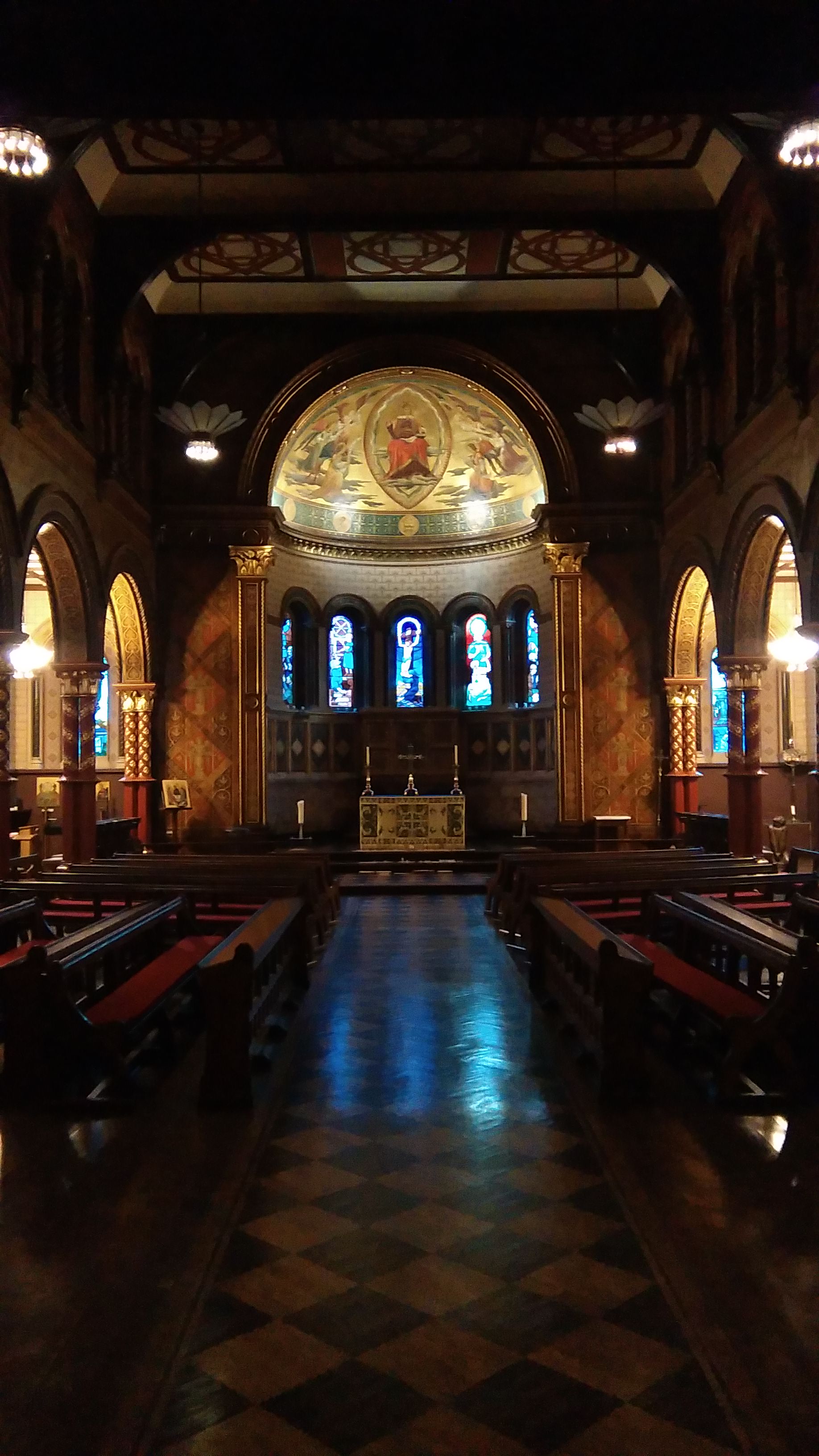
It is a decline however, it is not elitist, it is not “talking on behalf of our own dying mother” as Knausgård ponders. Literature has eternal value because it is storytelling, something which has been getting more and more sophisticated over the millennia until now, when the visual medium has started to erode it. We are seeing this in the atomisation and loneliness and crying out for belonging that the West is decrying and others are trying to prevent from taking hold in other parts of the world. The desire to rationalise our feelings, rather than create a story for them that gives them meaning but not right. Worse still, there is nowhere to hide these moments of frailty anymore. “TV and the Pope do not belong together”, Knausgård later remarks when Ekelund reminds him the Pope is Argentinian and has been following the team’s world cup journey. Why is this relevant? Knausgård explains: religion was the magnificent sky above the smallness and misery and randomness of real life, the jagged edges, the mundane, the banality, the accidents, the lack of control that led to misery. The magnificence and the majesty – it was true, was perfect, was holy, and we created churches and cathedrals that would act as islands where this truth was realised in a sea of triviality. Holy zones. Zones of “concentrated meaning” where the rituals we created there had meaning and were sacred and could bring that meaning to our day to day lives. The march of ‘tech’, of modern media, means that the human smallness and human foolishness that fractured and splintered our existence are no longer private, no longer have a story that nullifies them. Holiness has gone. Many of the holy zones have too (and in any case, Christian religion failed on its own terms to tell a coherent story that softened differences and revealed similarities with the protestant reformation and the shift towards the personal interpretation of the Bible being triumphant, which not incidentally, Sweden and Norway were early bastions of. Not great news for Brazil then that Protestantism is on the rise there). Other zones of meaning have come into existence however, football being one of them Knausgård proposes. “On a football pitch…almost everything from human life has been removed…where as good as all doubt and ambivalence have been erased: when a goal is scored that is all that exists, the goal scorer’s happiness is total…when do you see such elation in real life?” Football is a theatre. Do I believe it can be the basis of a story that unites us all in harmony? No. But I do believe it can provide us some stories, that can unite at least some of us, in some harmony, for a time. Which, given where we are, is good enough for now.
Boa Noite Brazil
And so, we reach the endgame of this World Cup in Brazil, 2014. As Knausgård wrote previously, there are four footballing greats remaining in the semis. For him, the player of the tournament is Argentina’s Franz Kafka lookalike, Ángel di Maria, contrary to what one might expect given “a more attacking brain than his would be hard to find”. This from a man who was rooting for Italy in the group stage. It really is not about attacking or defending for him, he of course admires the beauty, the art of the great magicians who deal in nutmegs, masterful feints, deft dribbles and mad overhead kicks – Maradona chief among them – and football is this excess, it is superfluousness, the offering of something more than the everyday. But as someone of good Protestant stock, this is everything he cannot allow himself. What he truly cherishes is ‘protestant football’, “the kind of football that deals in efficiency, graft, pain and suffering for the result, in other words, a game where the excess is reduced to a minimum and where nothing is superfluous”.
Ekelund goes for someone outside the semi-finalists in James Rodriguez of Colombia, which he writes after their defeat to Brazil in the quarter finals. He plays Ekelund’s type of football, true jogo bonito that Scolari’s Brazil have all but given up in this tournament, much to his chagrin. It is playing for beauty, which has died something of a death in the modern game. It is all for the team now, “everything in the service of being efficient…and players who pull the defender every which way because it is fun…don’t exist anymore”. He mentions of course Pelé, Garrincha, even Zlatan’s bicycle kick against England in the 2012 euros. I can see both sides of course, the ebb and flow of imagination vs. attritional warfare: seeing a team grind out a result, especially for their country, has a noble courage to it which is undeniable, and Knausgård is of course right when he says “the world cup is all about moving on”. It doesn’t matter if you scrape through by the skin of your teeth with a lamentable lack of creative or efficacy like Argentina or win with style, power and ease like France. On the other hand, it is the beauty that captivates you, elevates a game to the spectacular, and this needs to be part of a tournament. Ekelund laments the loss of Belgium and the fresh new football of Hazard, Vertonghen, Kompany, Lukaku and Origi when they are knocked out. The reason they go out he writes is the same as that for Chile and Rodriguez’s Colombia, and that is footballing history, or pedigree, we might call it. What decides the matches between the titans and those knocking on the door of greatness is the pedigree of the shirt, all the time the weight of history gets heavier. Attitude, psychology and history win tournaments for Ekelund. I agree here. Where I disagree however, with the benefit of hindsight, is that beauty has gone from the game. There are still magicians and wonderkids. People who light up the pitch because they want to. I think immediately to Jude Bellingham, and his 90+5 mins bicycle kick against Slovakia to win England the R16 game in the 2024 euros. There are always stories to be found and we will always search for heroes who want to write history, for these are the stories we want to tell. Of which, there is a last entry from Brazil 2014.
Football is a theatre. Do I believe it can be the basis of a story that unites us all in harmony? No. But I do believe it can provide us some stories, that can unite at least some of us, in some harmony, for a time. Which, given where we are, is good enough for now.
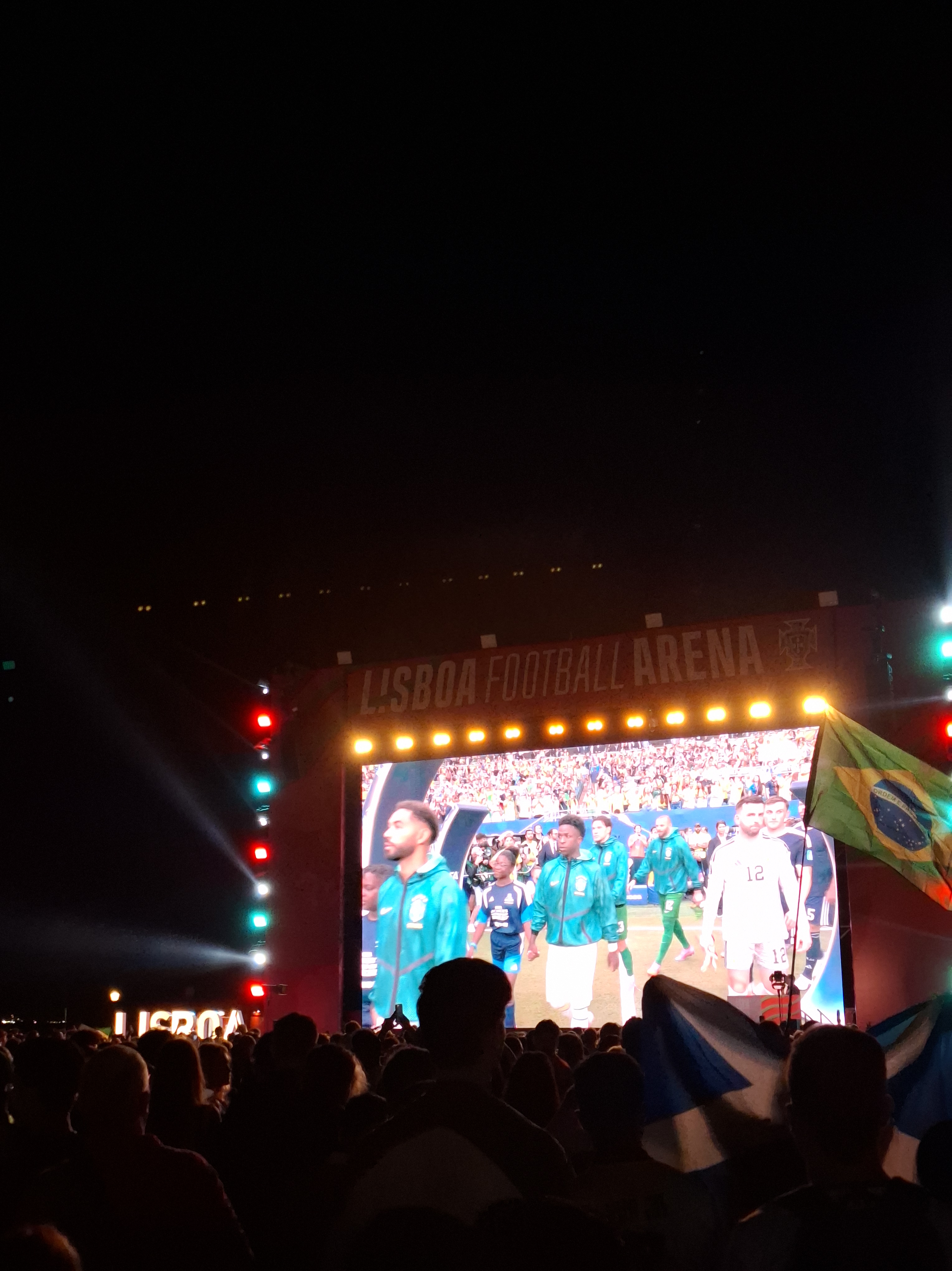
We reach the climax of our Brazil subplot in the semi-final against Germany, a moment I remember well despite not fully following this tournament. My friends and I were in the audience of our school rendition of The Sound of Music, and our ability to pay attention to our friend playing Captain von Trapp took a serious battering, much like Brazil, as the German goals hammered home. 5-0 to Germany by half-time. 7-0 in the 79th minute, in no way redeemed by a lone goal by Oscar in the 89th bringing the scoreline to 7-1, a collapse of the hosts never seen before or since. “What we saw this evening was a lamb to the slaughter” Knausgård writes. It reminds him of a work in Norwegian by his friend called Baghdad Indigo, about the failure of the US marines to form a collective sense of purpose that could translate into action the ideals they wanted to deliver triumphant in Iraq. Simultaneously, this sensation of a match solidified the 2014 World Cup as one of the most memorable. In Rio, Ekelund relays the utter numbing shock of the night. The match was immediately followed by a downpour not seen over the previous weeks, as if it were “the tears of 200 million people”. All but a few have disappeared from the bars. He sends his Brazilian host a text saying Scolari should be exiled to St Helena, where the English sent Napoleon after the Battle of Waterloo. The following morning, all the brightness and colour of Rio had gone, the Brazilian papers were full of venom, and people were returning back to their daily lives. The gamble of the CBF on safe, cautious football, to not be in harmony with Brazil’s football soul, did not pay off.
Argentina v Holland in stark contrast was everything Brazil v Germany was not. A Knausgård game through and through, “wild boar football” Ekelund puts it, a physical contest with absolute evenness on either side, both teams “digging and sniffing around”. For Knausgård, this is what football is about: “so full of tension, so full of missed opportunities…stopping and spoiling…creating and developing, negative versus positive, death versus life. Oh, to deny life any space! Oh, try to penetrate death and cheat it!” An Argentina v Germany final it will be then. Knausgård doesn’t rate his beloved Albiceleste’s chances, for Germany’s balanced and poised machine have won in so many different ways in this world cup, he knows they will have a plan to defeat Argentina. Then again, Messi may yet have his moment of magic. Despite his belief in the triumph of the team over the individual, of this being the key to football, Knausgård cannot back Germany in the final. For Ekelund, it is as if it is August, the darkness is drawing in earlier every evening he has left in Rio, “something in the air – it can’t be Autumn, can it? The summer has hardly begun!” A feeling we are all familiar with in watching international summer tournaments. “Something will soon be over…the 2014 World Cup in Brazil”, and to finish it, the team with majestic football meets the team limping through since the start. His mind cannot but turn to the departure that awaits him. “You ghost into taking your leave of people” he notes, which reminds me of all my favourite holidays and the same goes for taking your leave of places as well. “Everything is beginning to slip away, drift off, as though I’m preparing to bid farewell to Rio and Brazil.”
Brazil’s fiasco was complete after they were defeated in the third-place playoff. Germany win against Argentina after an even contest which leads to extra time, a game that is exciting, intense and full of drama. Despite his efforts and change of heart regarding Argentina, Ekelund has to watch the final with Brazilians, yet cannot but admit the elegant German machine is awe-inspiring, how “all the cogs in the gearwheel are so well oiled, and how everyone knows where to be all the time”. It is a fantastic final, the best since 1986, with Mario Götze, das Wunderkind, winning it for Germany in the dying minutes, something which he’ll never do anything to rival in his football career again. Rio in the wake of the final is a dreamland, and while Brazilians throw insults at the Argentinians for losing, Ekelund remarks on how it fails to turn into a mêlée there as it might in northern Europe – football is the antidote for now. Argentinians, Brazilians and Germans gathered around a ball in the twilight descending over the beach of Copacabana, a world cup that truly had it all.
It leaves a certain bitter taste in the mouth, knowing the unbridled joy these excellent writers could feel over the course of those four weeks in the summer of 2014. The 2026 tournament will not be like the World Cup in these letters. It will be mainly in the USA, a nation for whom football does not feature prominently in its sporting culture. The current government has spent much of the past year frankly trying to tell visitors they are not wanted. Trump has unleashed an almost paramilitary force on minorities and foreign-looking people in his own country, started a war with one of the competing nations, and banned fans and officials from several of them from travelling to the US, including right before the tournament, a referee from Somalia. Ticket and transport prices are through the roof, and yet seats and accommodation remain unsold. FIFA has done nothing to aid fans in this regard. It has also constructed this tournament across a whole continent, making travel for the competing teams more difficult, and implemented ‘hydration breaks’ halfway through each half in a blatant cash grab from advertisers. Gianni Infantino has been the most snivelling, cowardly sycophantic worst he has ever been, an example of the worst of Europe’s relationship with America, currently rivalled only by the likes of NATO Secretary General Mark Rutte and Albanian Prime Minister Edi Rama. Maybe FIFA’s fascism has worsened. And yet. And yet – there will always be something of the magic of the cup to make you wonder. And the World Cup is the greatest cup of them all. And if it is stories we need, indeed, different stories from many perspectives, that allow us to come closer to understanding, that allow us to feel things without needing to rationalise them, allow us to learn more about ourselves and others and become more whole rather than smaller as people and for football to be an antidote, not a cause of conflict, then why can this World Cup not win through, do what every World Cup has done before, take us out of our lives and into a place where, together, there’s the freedom to feel a bit more fun, meaning, drama and passion.
I wrote this essay prior to the 2026 World Cup, hence why I do not touch on the events of that tournament. I am pleased to say that I was right on the fact the tournament had all the stories to lift and excite people as much as break their hearts that we have come to expect, that FIFA and Infantino and Trump’s meddling did not ruin it despite their best efforts, and the passion of it all did allow us once again to catch a glimpse of that majestic sky, that will to rise above the mundane world as we know it and believe in eternal meaning again.
 In Search of Europa