European Politics · Post-Brexit Britain

Choosing our political battles; the Rule of Law and democracy

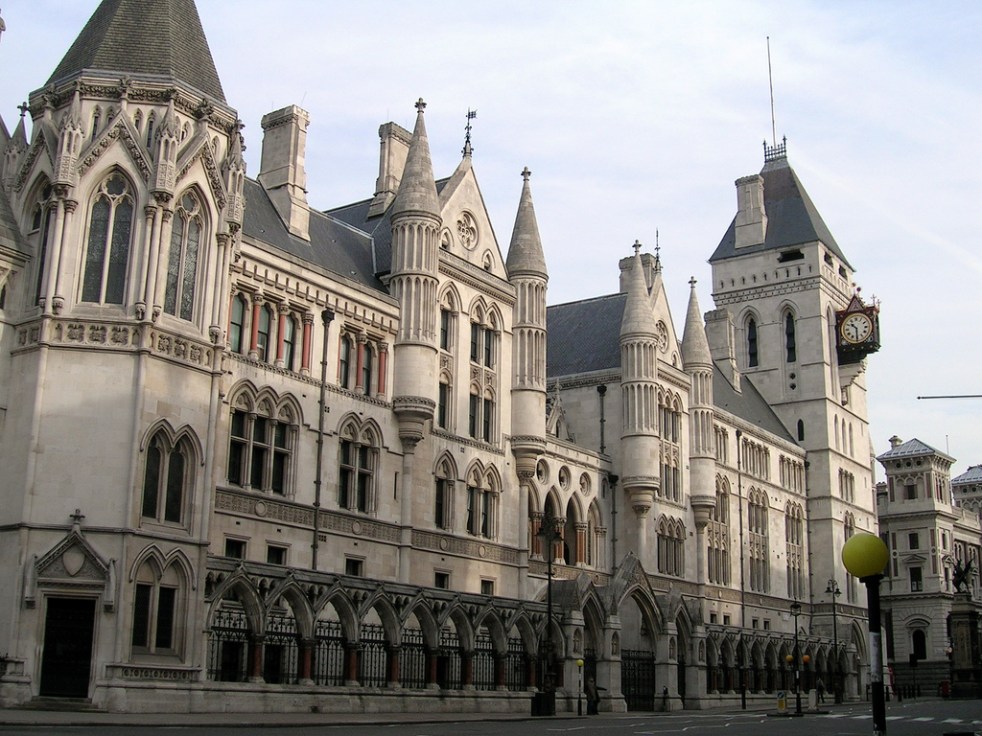
The Rule of Law is not simply a referee. It is not shorthand for ‘we must all play by the rules’, it is more important than that. Because the Rule of Law isn’t simply the presence of rules in our politics, but rather characterises the nature of those rules – or at least the standard those rules are supposed to aspire to. That is, to ensure fair government which aims to realise some conception of justice and prevent tyrannical rule.
European Politics · Post-Brexit Britain

A contractual idea of kingship: investigating the differences between Scots and English constitutional law

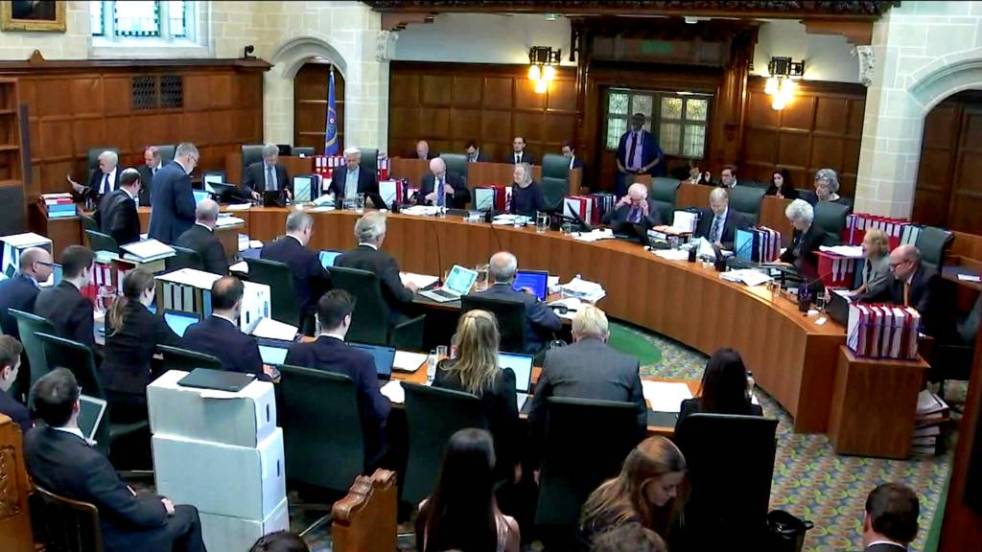
On the relationship between parliament and the executive power of the crown (the resolution of the tension there-arising forming the basis of Britain’s constitutional law and its foundation in the idea of ‘constitutional monarchy’) the two legal traditions rest of different bedrocks which enable very different answers to these principal constitutional questions. 

European Politics · Post-Brexit Britain

“Chequers is dead!” was the death knell of the British state

The last compromise the Westminster system was capable of producing, a compromise as crucial now as they had been since 1689, was a totally bungled fiasco. It was the absence of any further potential to compromise. The British state was dead. It had been for a while and no one had understood this. Again, from O’Toole: “What we see with the lid off and the fog of fantasies at last beginning to dissipate is the truth that Brexit is much less about Britain’s relationship with the EU…It is the projection outwards of an inner turmoil.” Nietzsche in 1883 could not understand why everyone kept behaving as if the Christian church was still the supreme authority of European life when it was clear its power was long dead. Likewise, Chequers is dead, and that which produced it, the tangled morass of imperialism born in Westminster, was dead long before it. And now it can be seen.

European Politics · The Future of Europe

Friend or foe: America’s changed relationship with Europe

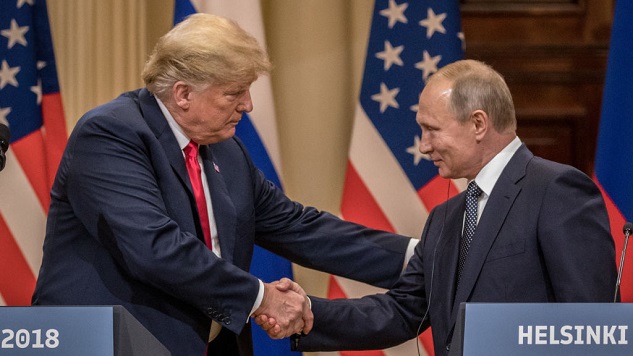
Last week Europe was treated to a visit from the US President, Donald Trump, a visit which only served to provide more evidence that the current American Head of State has no interest in maintaining the order America built since 1945, nor in fulfilling the role we have become accustomed to the Americans playing in the post-war era.

A Republic of Letters · European Politics

What happened in Europe on Friday (#5)

A spectre is haunting Europe. This time it is not the workers’ revolution however, but the white man’s revolution – or, I should rather say, counter-revolution. And we shouldn’t make the mistake of thinking it is simply the white working-class either, but the white people of all classes and all European nations. The form this spectre has taken for the moment is Donald Trump, who arrived in Europe on Wednesday.

A Republic of Letters · European Politics

What happened in Europe on Friday (#4)

Two stories on European follies today; the ongoing Migration saga of Europe, and the Greek ‘debt relief’ agreed on Thursday night. They are contrasting examples of eras of European integration: the latter, the last hurrah for the Merkel style of politics that were seemingly going to shape Europe for decades to come; the former, the new Europe, where Merkel is isolated and intergovernmental agreements can no longer be made to look like they suite everyone’s interests.

A Republic of Letters · European Politics

What happened in Europe on Friday (#1)

This Friday (1st June), there are two main events emanating from the South that of course demand attention: the moción de censura which passed successfully in the Spanish Congreso in Madrid, and the confirmation in Rome of Italian Prime Minister-Designate, Giuseppe Conte, and the rag-tag band of populists from the Lega (formerly Nord) of Matteo Salvini and Movimento 5 Stella of Luigi Di Maio, who hope they can run a government together.

Democracy in Europe · The Future of Europe

On eclipsed ends: ideals and ambitions in search for Europa

One idea left out in the cold, abandoned by this brave new world in which history had ended, was the ‘United States of Europe’. From such a term, it is clear its creators had not intended Garton Ash’s Liberal Order, when they had begun the European Project in 1951. They had envisaged much more. What the term really means has caused much confusion and debate among those who are willing to use it as shorthand for Europe’s ultimate ambition. What most agree on is that it involves federalism.