A Republic of Letters · Culture of a Continent

Hallowed meeting places of all mankind

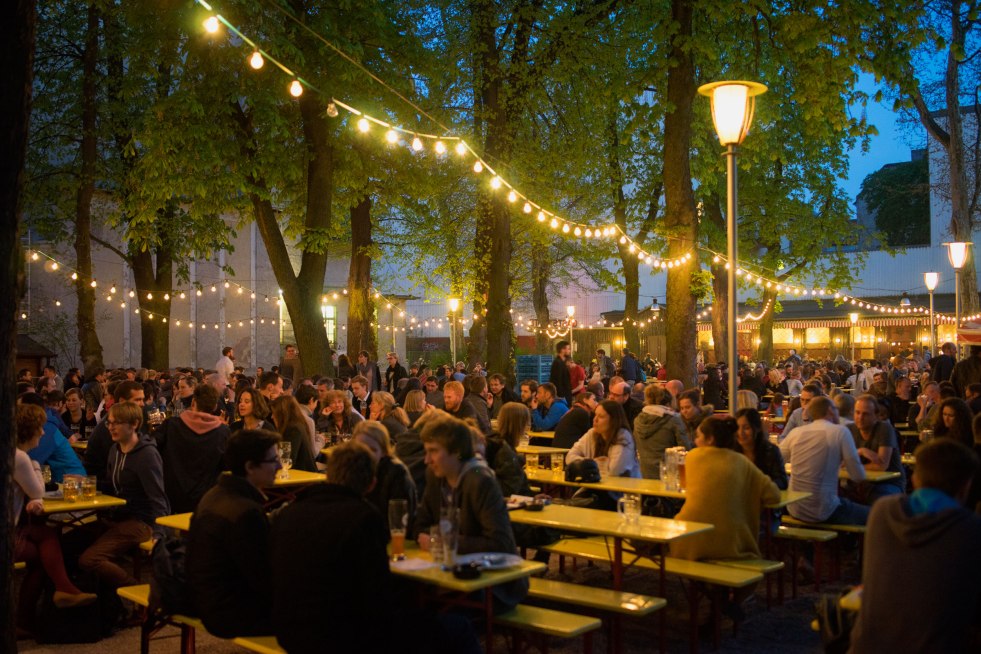
The institution of the pub persists at the heart of British life, fulfilling an undeniable and necessary social role. The exercise of going for a drink at the pub is something we grow up with – reading about it, watching it on tv, hearing about pub-related antics from other people and seeing the life it fuels on nights in towns and cities across Britain. For someone who grew up that country, it’s hard to imagine social life without a pub-like venue, as malleable a setting as it is. Having spent a while living outside of Britain, I’ve been prompted to reflect on what that means and the place of the pub in everyday life. 

A Republic of Letters · European Politics

What happened in Europe on Friday (#5)

A spectre is haunting Europe. This time it is not the workers’ revolution however, but the white man’s revolution – or, I should rather say, counter-revolution. And we shouldn’t make the mistake of thinking it is simply the white working-class either, but the white people of all classes and all European nations. The form this spectre has taken for the moment is Donald Trump, who arrived in Europe on Wednesday.

A Republic of Letters · European Politics

What happened in Europe on Friday (#4)

Two stories on European follies today; the ongoing Migration saga of Europe, and the Greek ‘debt relief’ agreed on Thursday night. They are contrasting examples of eras of European integration: the latter, the last hurrah for the Merkel style of politics that were seemingly going to shape Europe for decades to come; the former, the new Europe, where Merkel is isolated and intergovernmental agreements can no longer be made to look like they suite everyone’s interests.

A Republic of Letters · European Politics

What happened in Europe on Friday (#1)

This Friday (1st June), there are two main events emanating from the South that of course demand attention: the moción de censura which passed successfully in the Spanish Congreso in Madrid, and the confirmation in Rome of Italian Prime Minister-Designate, Giuseppe Conte, and the rag-tag band of populists from the Lega (formerly Nord) of Matteo Salvini and Movimento 5 Stella of Luigi Di Maio, who hope they can run a government together.

A Republic of Letters · Democracy in Europe

On Europe; Questions and Reflections on the divided continent (pt.3)

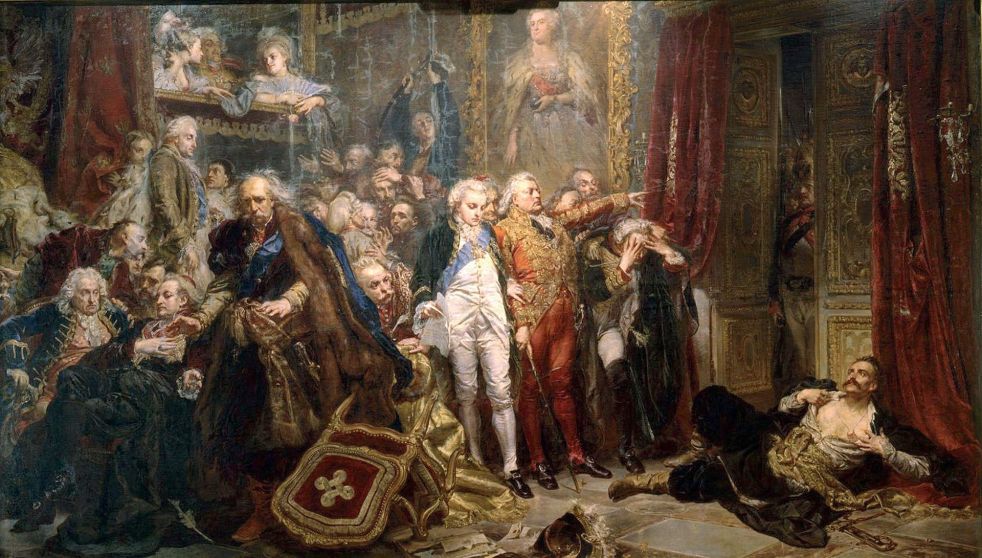
Like Tadeusz Rejtan, who desperately tried to halt the partition and disintegration of his country 1773, we must block the door of the room that is the European idea even as others begin to make their discreet or not so discreet exit. If we do not, then Europe’s slide will be unstoppable, and our great civilisation will pass to history.

A Republic of Letters · The Future of Europe

On Europe; Questions and Reflections on the divided continent (pt.2)

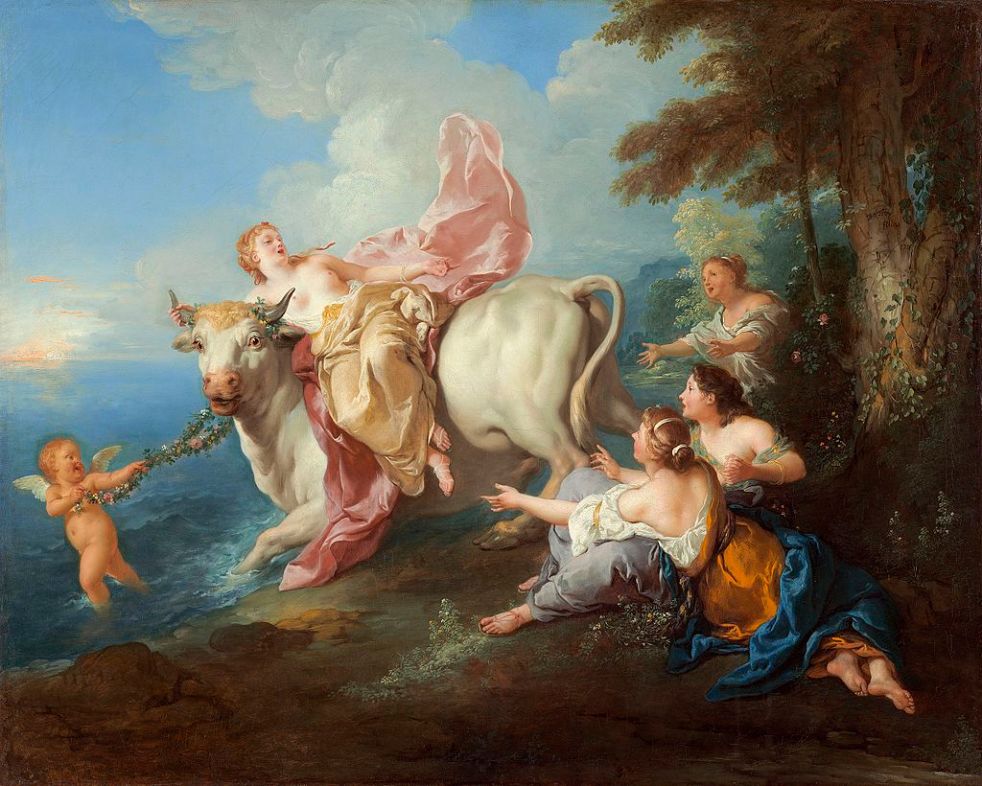
Europa is the home of difference and diversity, where new influences are not added to anything but clash and conflict with each other, fighting on the great Hegelian battleground of culture, creed and beliefs. The problem is of course, when this civic conflict of words, arguments, images and sounds becomes one of bullets and bayonets; it is then that we remember why we need a United Europa.

A Republic of Letters · The Future of Europe

On Europe; Questions and Reflections on the divided continent

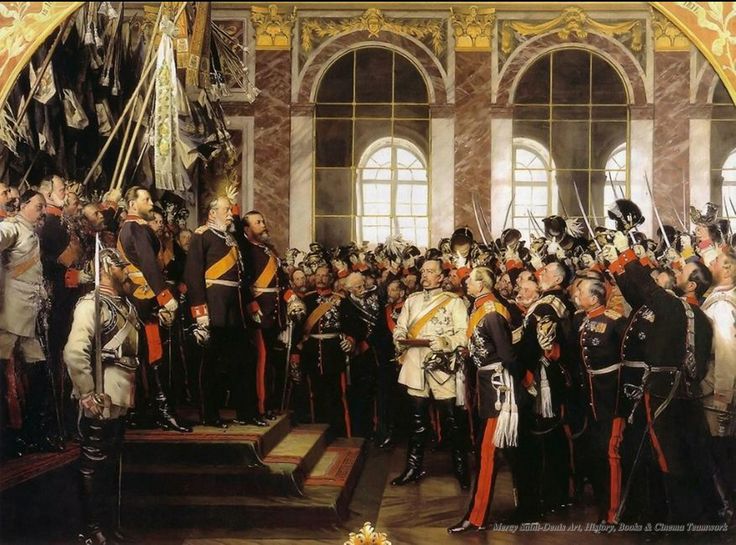
Europa, I think we can say with certainty however, is and long has been much more than a place on a map, contrary to Bismarck’s note in 1876 (‘Qui parle Europe a tort. Notion géographique’). Certainly, we can take Metternich’s foreshadowing of this comment in 1847, with the assertion that Italy was purely a geographic notion, as a sign that Germans are apt as misjudging political and social developments on this continent.

A Republic of Letters · Europe as Empire

Imperial Europe: The Return of Europe as Empire?

The European Union is among the most profound achievements of the last century; in many ways, it has changed the face of Europe and its place in the world, from one of violence, strife and oppression, to a beacon of ‘peace…democracy and…prosperity’. By the fin-de-siècle, commentators were hailing the ‘New European Century’ and a ‘beacon of light in a troubled world’. The latter commentator also argued that Europe’s aim was to seek ‘harmony, not hegemony’. This raises a key question, namely, the nature of Europe’s relationship with Imperial power.