European Politics · Post-Brexit Britain

Choosing our political battles; the Rule of Law and democracy

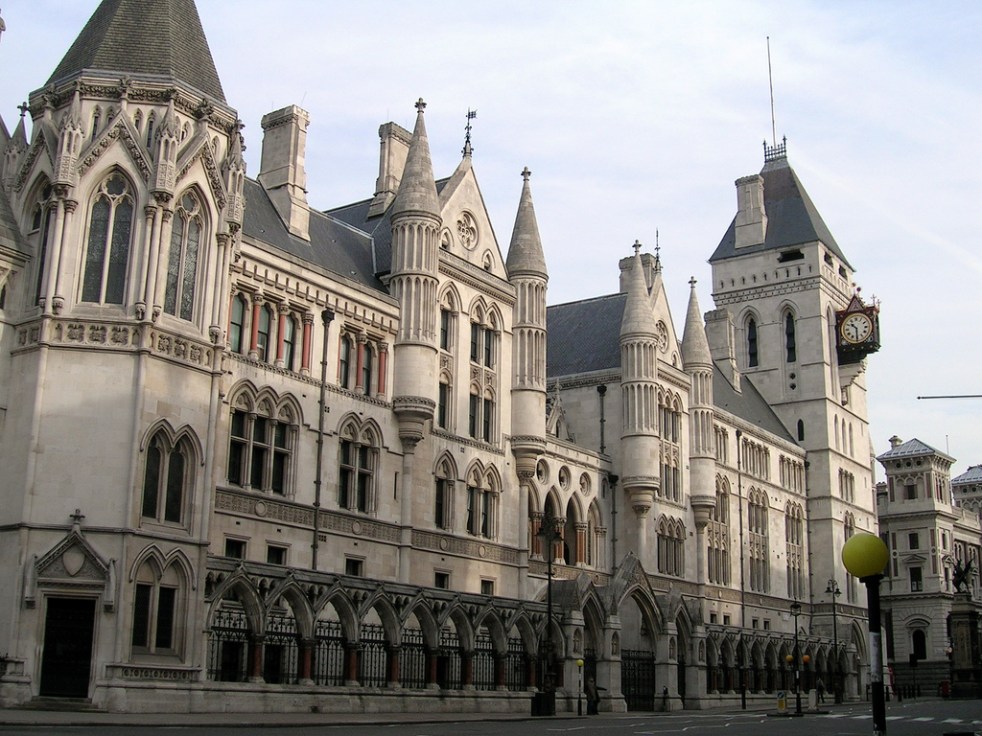
The Rule of Law is not simply a referee. It is not shorthand for ‘we must all play by the rules’, it is more important than that. Because the Rule of Law isn’t simply the presence of rules in our politics, but rather characterises the nature of those rules – or at least the standard those rules are supposed to aspire to. That is, to ensure fair government which aims to realise some conception of justice and prevent tyrannical rule.
European Politics · Post-Brexit Britain

A contractual idea of kingship: investigating the differences between Scots and English constitutional law

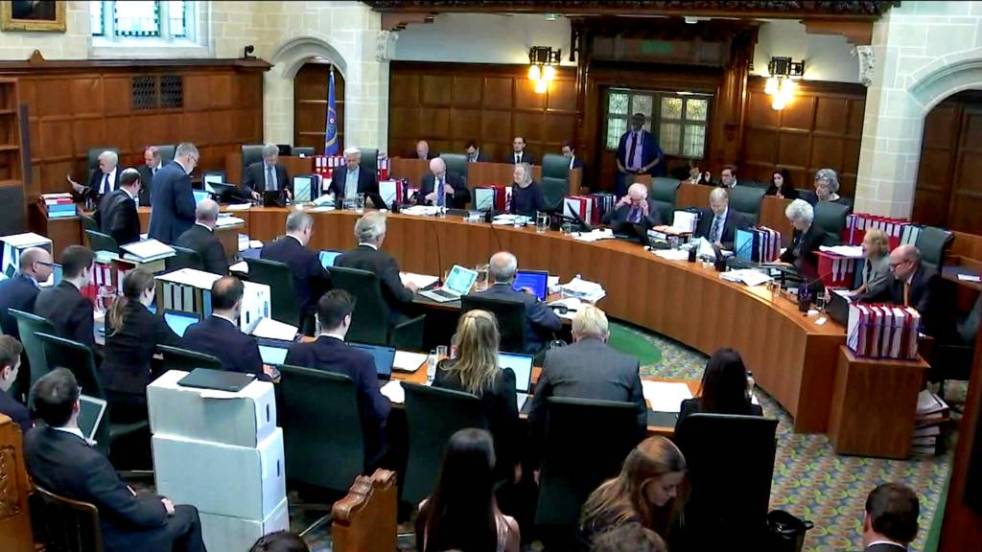
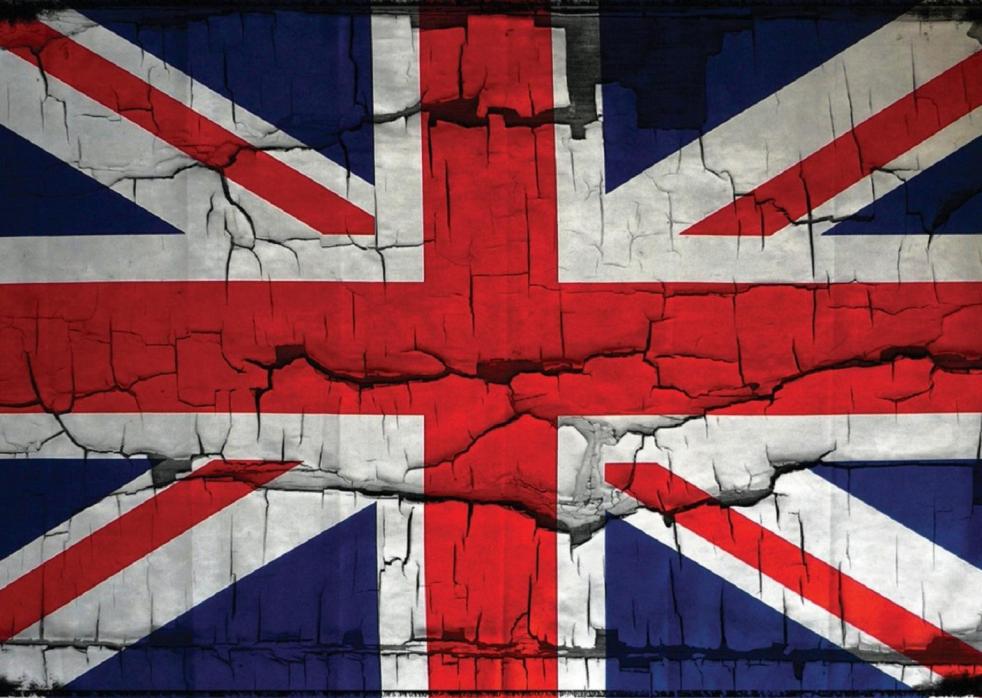
On the relationship between parliament and the executive power of the crown (the resolution of the tension there-arising forming the basis of Britain’s constitutional law and its foundation in the idea of ‘constitutional monarchy’) the two legal traditions rest of different bedrocks which enable very different answers to these principal constitutional questions. 

European Politics · Post-Brexit Britain

“Chequers is dead!” was the death knell of the British state

The last compromise the Westminster system was capable of producing, a compromise as crucial now as they had been since 1689, was a totally bungled fiasco. It was the absence of any further potential to compromise. The British state was dead. It had been for a while and no one had understood this. Again, from O’Toole: “What we see with the lid off and the fog of fantasies at last beginning to dissipate is the truth that Brexit is much less about Britain’s relationship with the EU…It is the projection outwards of an inner turmoil.” Nietzsche in 1883 could not understand why everyone kept behaving as if the Christian church was still the supreme authority of European life when it was clear its power was long dead. Likewise, Chequers is dead, and that which produced it, the tangled morass of imperialism born in Westminster, was dead long before it. And now it can be seen.

Culture of a Continent · The writer

My taboos; your taboos. Why we don’t talk about them, but probably should

In Germany, tabu had entered common parlance by the 20th Century, referring to things restricted by custom more so than law. They are the things that are implicitly excluded from society, rather than explicitly ban. They are unspoken of, unrecognised even. They are one of the tricks of human social interaction, and that is what makes them so mysterious.

Democracy in Europe · Post-Brexit Britain

‘Welcome to the poisoned chalice’: The Challenge of Brexit to Corbyn’s Labour

‘Simultaneously resist hard Brexit and egotistic destructive nationalism, whilst not accepting total surrender to the status quo and trying to engineer a new majority in favour of EU membership with the objective of re-entering a radically transformed, democratic Union? And at the same time implement a domestic programme of redistribution, social democracy and justice in one of the most neoliberal states in Europe? Impossible.’

European Politics · Post-Brexit Britain

I’ll be voting Labour tomorrow; here’s why

Show them who’s in charge. That Theresa May doesn’t get to keep going, after the pathetic and humiliating débâcle of a campaign that she has run. Show her that she will be held responsible for the cuts in police, for undermining our safety, for continuing to arm hideous, extreme regimes such as Saudi Arabia, for submitting to a joke like Donald Trump. Not everywhere this means voting Labour. The SNP, the Greens, Plaid Cymru and even in some cases the Liberal Democrats have these objectives as well. So give them a bloody nose. Remind them that the people are watching, and we are not impressed.