European Politics · Post-Brexit Britain

Choosing our political battles; the Rule of Law and democracy

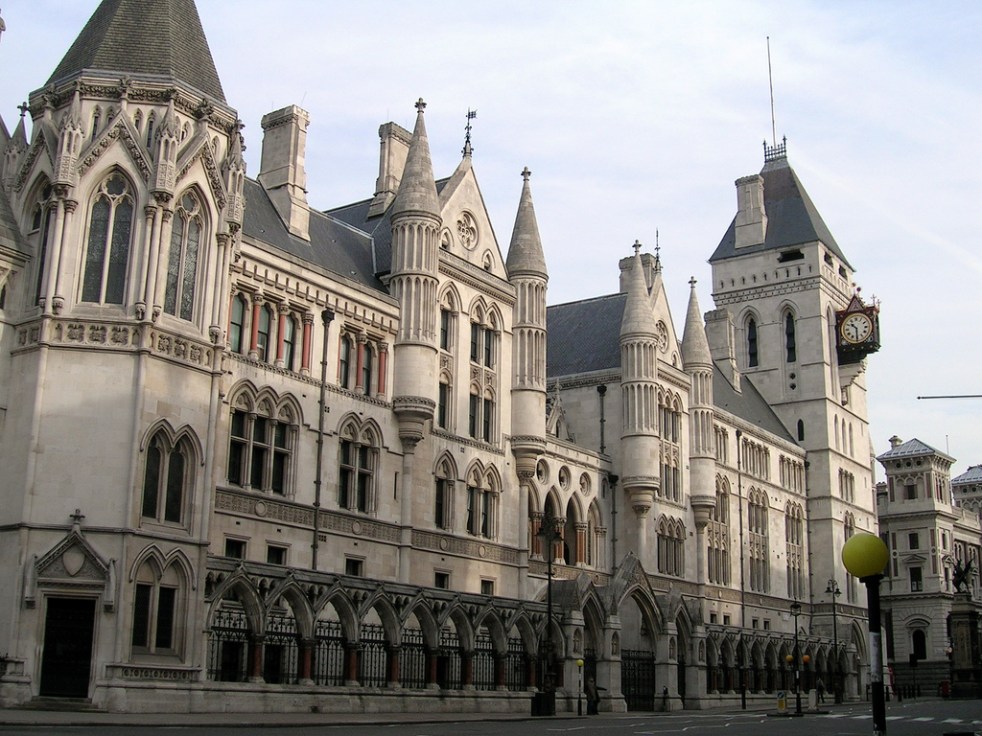
The Rule of Law is not simply a referee. It is not shorthand for ‘we must all play by the rules’, it is more important than that. Because the Rule of Law isn’t simply the presence of rules in our politics, but rather characterises the nature of those rules – or at least the standard those rules are supposed to aspire to. That is, to ensure fair government which aims to realise some conception of justice and prevent tyrannical rule.
European Politics · The Future of Europe

Friend or foe: America’s changed relationship with Europe

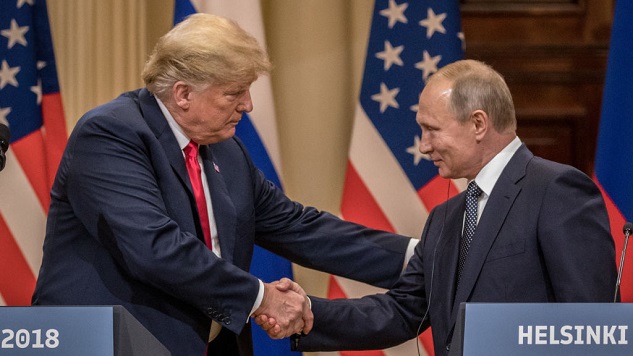
Last week Europe was treated to a visit from the US President, Donald Trump, a visit which only served to provide more evidence that the current American Head of State has no interest in maintaining the order America built since 1945, nor in fulfilling the role we have become accustomed to the Americans playing in the post-war era.

A Republic of Letters · European Politics

What happened in Europe on Friday (#5)

A spectre is haunting Europe. This time it is not the workers’ revolution however, but the white man’s revolution – or, I should rather say, counter-revolution. And we shouldn’t make the mistake of thinking it is simply the white working-class either, but the white people of all classes and all European nations. The form this spectre has taken for the moment is Donald Trump, who arrived in Europe on Wednesday.

Democracy in Europe · The Future of Europe

A Treatise on European Government: Treaty

In reality, treaties are international law. Treaties are drafted by ministers of state and diplomats and not by the people to which they will apply; it is the states rather than their citizens, who are the High Contracting Parties. The treaties lack the democratic legitimacy of constitutional law. By making the member-states the ‘Masters of the Treaties’, the people are explicitly cut out from the pouvoir constituant, having only an indirect influence over the treaties’ content.