A Treatise on European Government: Constitution
We have our alternative articles of faith to inform the Union’s Reformation, however we have yet to consider concrete pillars to define its shape. It is to this I now turn.
We have our alternative articles of faith to inform the Union’s Reformation, however we have yet to consider concrete pillars to define its shape. It is to this I now turn.
‘Simultaneously resist hard Brexit and egotistic destructive nationalism, whilst not accepting total surrender to the status quo and trying to engineer a new majority in favour of EU membership with the objective of re-entering a radically transformed, democratic Union? And at the same time implement a domestic programme of redistribution, social democracy and justice in one of the most neoliberal states in Europe? Impossible.’
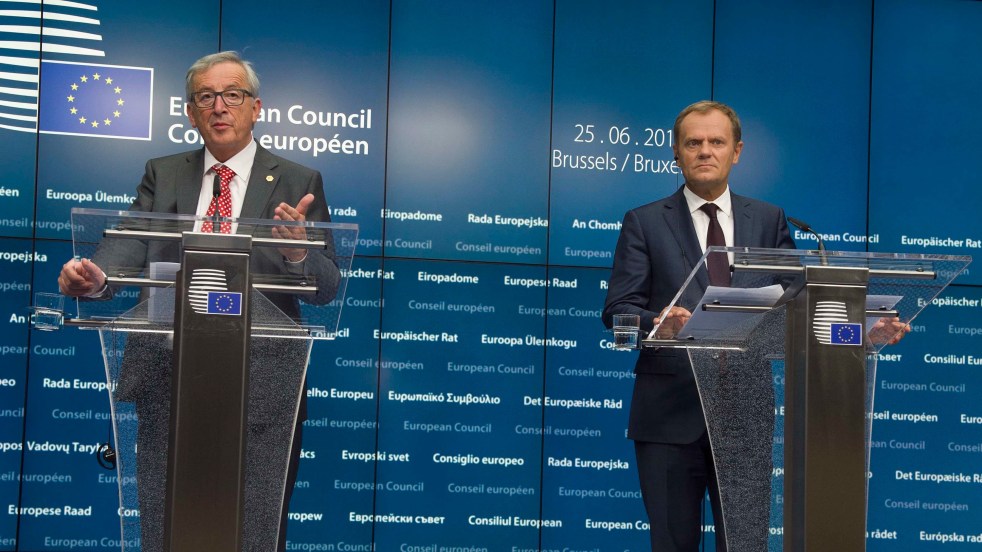
The point Varoufakis is trying to make however is that, to say democracy is deficient in Brussels is to utterly understate the crime. Rather, democracy has never been at the centre of the European construct, and as such has only been an obstacle to negotiate in the minds of the men in power who built it. As Brussels has acquired more power, this fact has only become more evident in the way Europe has dealt with challenges against it, and more present in the minds of its citizens. The problem exploded in the wake of the Sovereign Debt Crisis, to the point that it can no longer be ignored. Left unchecked, it is now killing Europe.
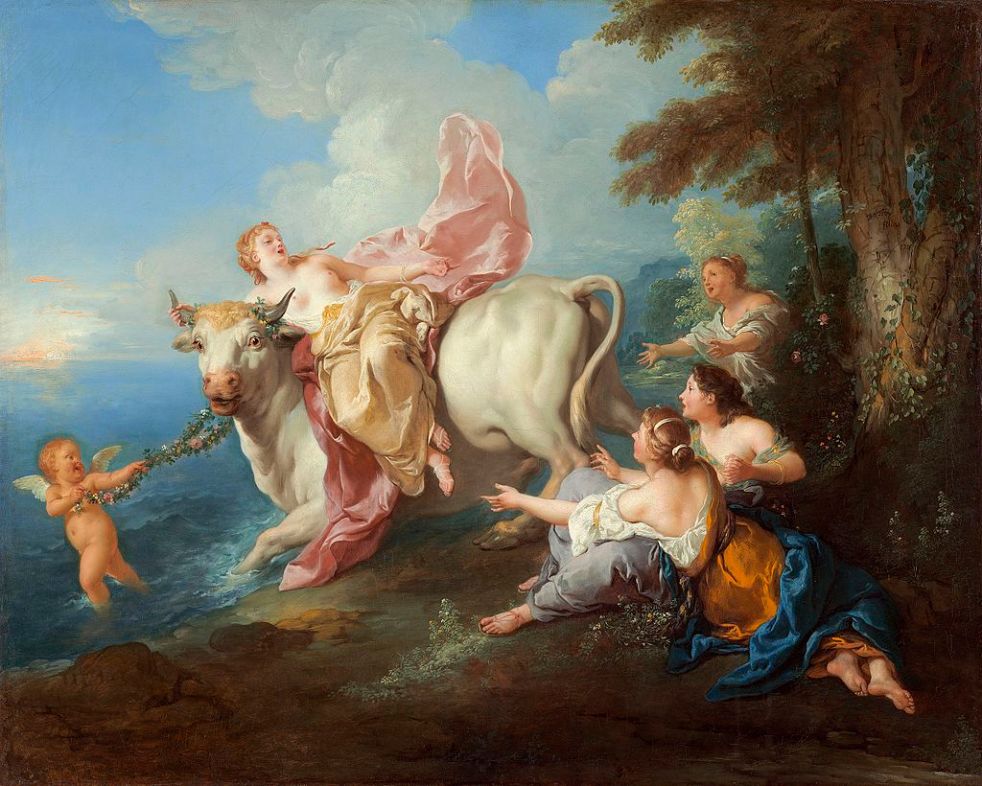
Europa is the home of difference and diversity, where new influences are not added to anything but clash and conflict with each other, fighting on the great Hegelian battleground of culture, creed and beliefs. The problem is of course, when this civic conflict of words, arguments, images and sounds becomes one of bullets and bayonets; it is then that we remember why we need a United Europa.
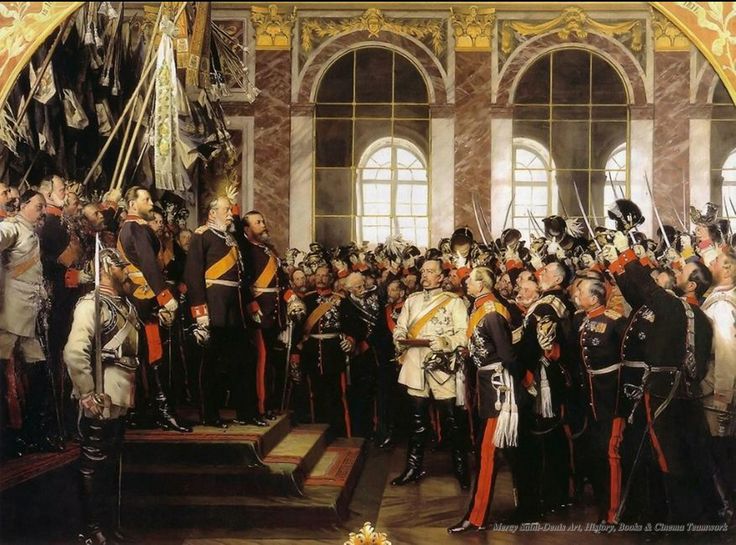
Europa, I think we can say with certainty however, is and long has been much more than a place on a map, contrary to Bismarck’s note in 1876 (‘Qui parle Europe a tort. Notion géographique’). Certainly, we can take Metternich’s foreshadowing of this comment in 1847, with the assertion that Italy was purely a geographic notion, as a sign that Germans are apt as misjudging political and social developments on this continent.