Report on DiEM’s Berlin Launch – by AcTVism Munich
Originally posted on Yanis Varoufakis:
https://www.youtube.com/watch?v=_74VJFOiPoc
Originally posted on Yanis Varoufakis:
https://www.youtube.com/watch?v=_74VJFOiPoc
Your weekly update of European news stories from over the weekend; this week we have news from the Security conference in Munich and the political deadlock in Madrid; summaries only with Dimokratía.
Originally posted on Yanis Varoufakis:
https://www.youtube.com/watch?v=BcptJkd87uQ
The blog has received a facelift; new colours, logo and a new name. Dimokratia (democracy) has now taken up the banner of Online Euro News, as we go into February taking a look at developments across Europe.
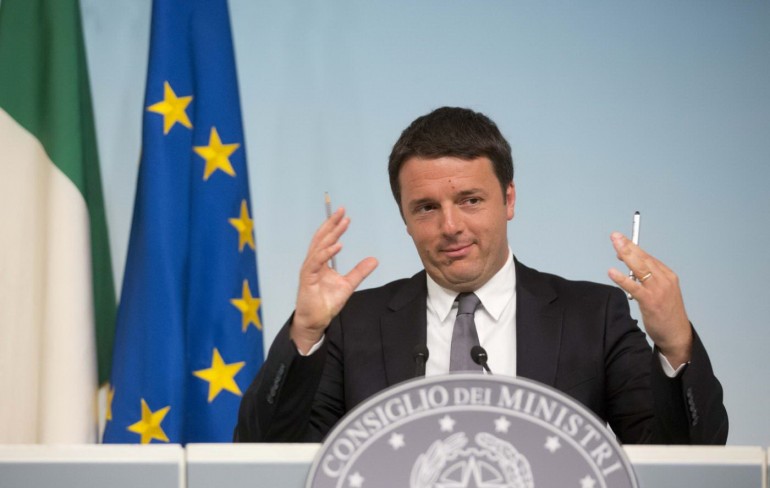
Since last December, Matteo Renzi, the Italian Prime Minister, has been launching a series of rhetorical attacks against the Brussels establishment and neoliberal consensus. A review of this change in European politics and its meaning going forward.
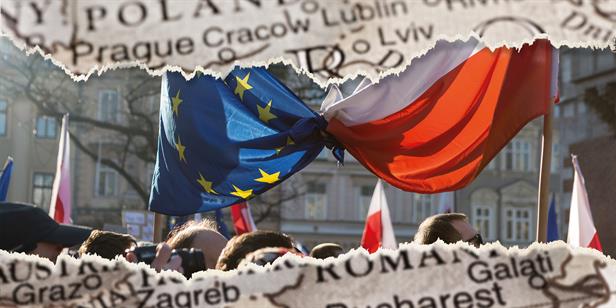
Recently I had the pleasure of listening to a talk about the rise of populism and ‘illiberalism’ in Eastern Europe at the Legatum Institute. A report on the talk and my views thereof.
There won’t be an article out today, as I was watching the 3-hour live-stream for the launch of DiEM25. However normal service will resume tomorrow.
Weekly update on European news from over the weekend; this week news from Berlin, Nottingham and Brussels – updates only with the HP
A Call to arms: On 9th February, DiEM25 is being launched at the Volksbühne in Berlin; the fight to retake European Democracy is beginning, and it’s time democrats across Europe stood up to reclaim their right as a citizen of Europe to democracy. “Carpe DiEM”
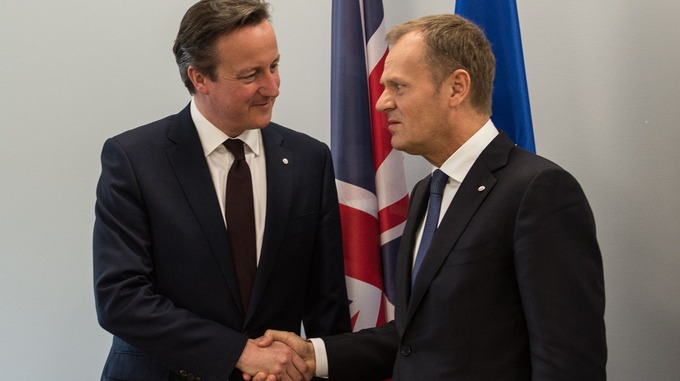
There has been a series of varied responses to Prime Minister Cameron’s reform proposals, outlined by Donald Tusk earlier this week. Reactions have been negative from all sides, but there have been positive responses as well. A review of the backlash, only with the HP.