Democracy in Europe · The Future of Europe

On eclipsed ends: ideals and ambitions in search for Europa

One idea left out in the cold, abandoned by this brave new world in which history had ended, was the ‘United States of Europe’. From such a term, it is clear its creators had not intended Garton Ash’s Liberal Order, when they had begun the European Project in 1951. They had envisaged much more. What the term really means has caused much confusion and debate among those who are willing to use it as shorthand for Europe’s ultimate ambition. What most agree on is that it involves federalism.
Democracy in Europe · Post-Brexit Britain

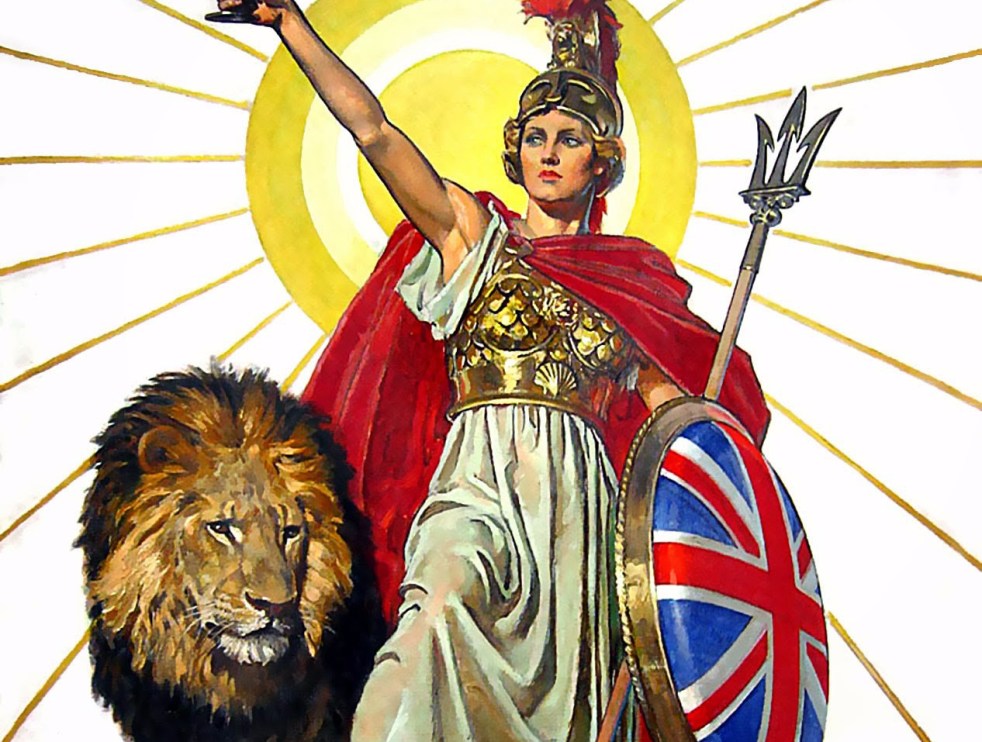
‘Welcome to the poisoned chalice’: The Challenge of Brexit to Corbyn’s Labour

‘Simultaneously resist hard Brexit and egotistic destructive nationalism, whilst not accepting total surrender to the status quo and trying to engineer a new majority in favour of EU membership with the objective of re-entering a radically transformed, democratic Union? And at the same time implement a domestic programme of redistribution, social democracy and justice in one of the most neoliberal states in Europe? Impossible.’

Democracy in Europe · The Future of Europe

There is a dêmos-shaped hole in the centre of Europe – DiEM25 must fill it

The point Varoufakis is trying to make however is that, to say democracy is deficient in Brussels is to utterly understate the crime. Rather, democracy has never been at the centre of the European construct, and as such has only been an obstacle to negotiate in the minds of the men in power who built it. As Brussels has acquired more power, this fact has only become more evident in the way Europe has dealt with challenges against it, and more present in the minds of its citizens. The problem exploded in the wake of the Sovereign Debt Crisis, to the point that it can no longer be ignored. Left unchecked, it is now killing Europe.

Democracy in Europe · La Vie en bleu

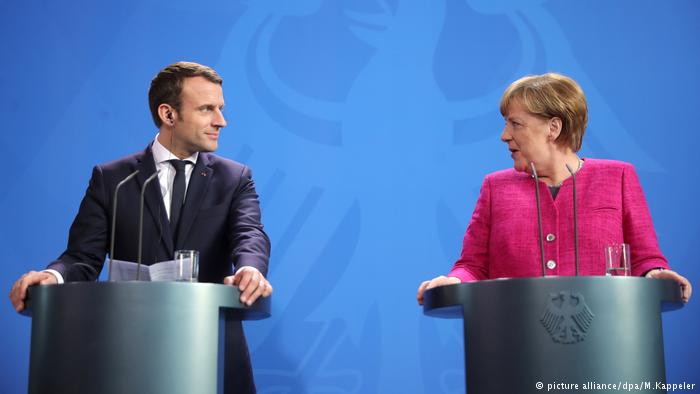
Macron could champion the French wing of the DiEM25 Coalition

Kerneuropa will finally have rallied behind teutonic economic management, for the small price of formalising the political oversight of these principles. What some seem to be painting as the next ‘Grand Bargain’ will in fact be the final capitulation to Berlin and Frankfurt’s brand of neoliberalism, and the end of any hope for Southern Europe escaping the economic crisis with its dignity.

A Republic of Letters · Democracy in Europe

On Europe; Questions and Reflections on the divided continent (pt.3)

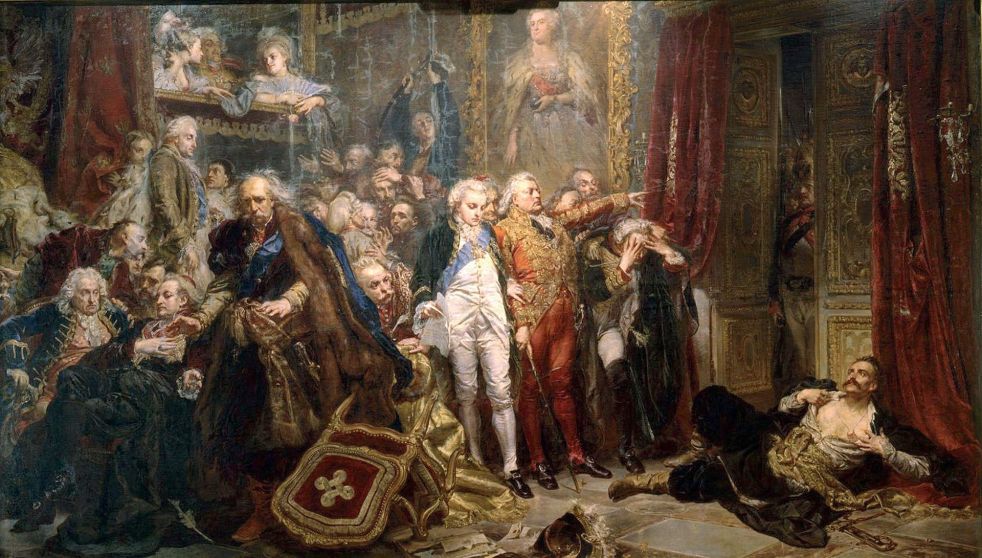
Like Tadeusz Rejtan, who desperately tried to halt the partition and disintegration of his country 1773, we must block the door of the room that is the European idea even as others begin to make their discreet or not so discreet exit. If we do not, then Europe’s slide will be unstoppable, and our great civilisation will pass to history.

A Republic of Letters · The Future of Europe

On Europe; Questions and Reflections on the divided continent

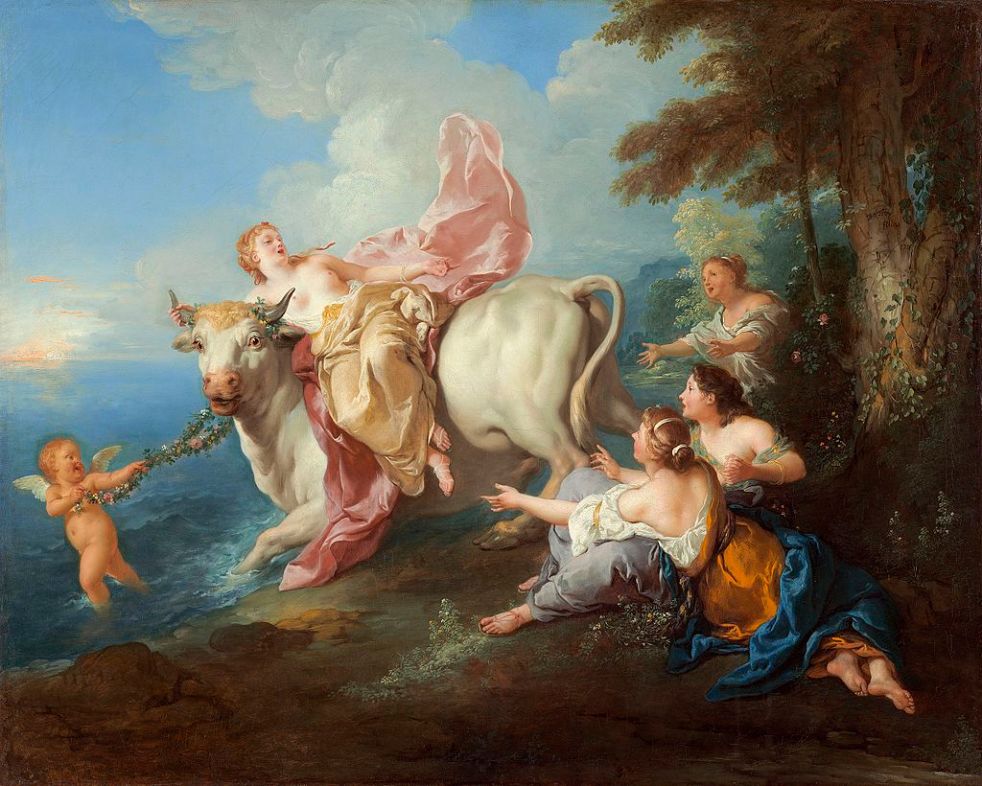
Europa, I think we can say with certainty however, is and long has been much more than a place on a map, contrary to Bismarck’s note in 1876 (‘Qui parle Europe a tort. Notion géographique’). Certainly, we can take Metternich’s foreshadowing of this comment in 1847, with the assertion that Italy was purely a geographic notion, as a sign that Germans are apt as misjudging political and social developments on this continent.

A Republic of Letters · Europe as Empire

Imperial Europe: The Return of Europe as Empire?

The European Union is among the most profound achievements of the last century; in many ways, it has changed the face of Europe and its place in the world, from one of violence, strife and oppression, to a beacon of ‘peace…democracy and…prosperity’. By the fin-de-siècle, commentators were hailing the ‘New European Century’ and a ‘beacon of light in a troubled world’. The latter commentator also argued that Europe’s aim was to seek ‘harmony, not hegemony’. This raises a key question, namely, the nature of Europe’s relationship with Imperial power.

A Republic of Letters · The Future of Europe

The debate on Europe has begun; but will it be enough?

We are at a crossroads in Europe; we have long since reached one of those decisive moments in history where we have to make decisions about the direction our societies are going to take, what are the forces which will be driving them and what will be the political context around them. Our commitment to a united Europe is chief among those questions. It is the defining political question of our time.

A Republic of Letters · Democracy in Europe

Tusk calls for unity in 2017; but does he know what this means?

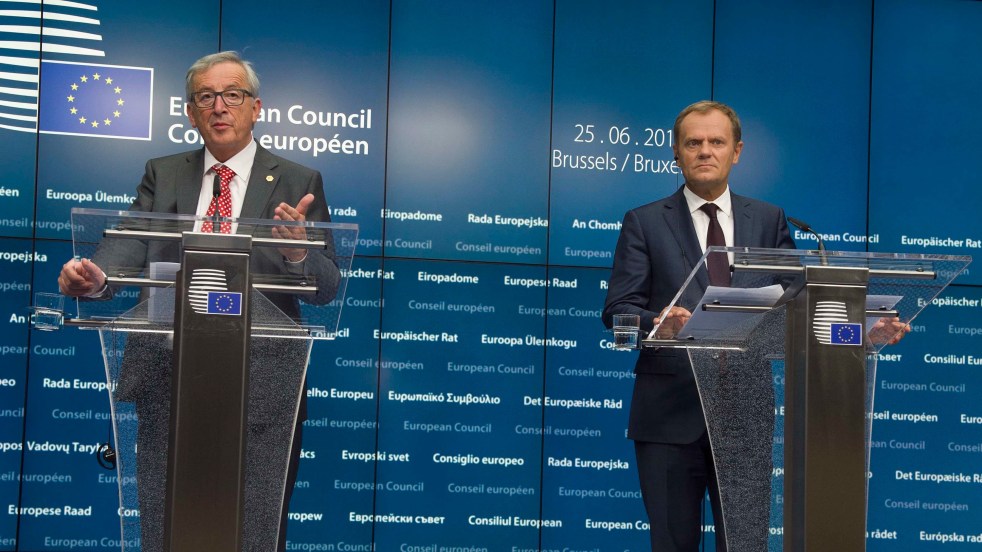
President of the European Council, Donald Tusk, on Tuesday made a call for unity among the European states, in the context of the rapidly deteriorating political climate they have found themselves in. In a letter to the 27 Heads of State & Government, Tusk said Europe was facing challenges “more dangerous than ever before in the time since the signature of the Treaty of Rome”.