A Treatise on European Government: Constitution
We have our alternative articles of faith to inform the Union’s Reformation, however we have yet to consider concrete pillars to define its shape. It is to this I now turn.
We have our alternative articles of faith to inform the Union’s Reformation, however we have yet to consider concrete pillars to define its shape. It is to this I now turn.
In reality, treaties are international law. Treaties are drafted by ministers of state and diplomats and not by the people to which they will apply; it is the states rather than their citizens, who are the High Contracting Parties. The treaties lack the democratic legitimacy of constitutional law. By making the member-states the ‘Masters of the Treaties’, the people are explicitly cut out from the pouvoir constituant, having only an indirect influence over the treaties’ content.
The point Varoufakis is trying to make however is that, to say democracy is deficient in Brussels is to utterly understate the crime. Rather, democracy has never been at the centre of the European construct, and as such has only been an obstacle to negotiate in the minds of the men in power who built it. As Brussels has acquired more power, this fact has only become more evident in the way Europe has dealt with challenges against it, and more present in the minds of its citizens. The problem exploded in the wake of the Sovereign Debt Crisis, to the point that it can no longer be ignored. Left unchecked, it is now killing Europe.
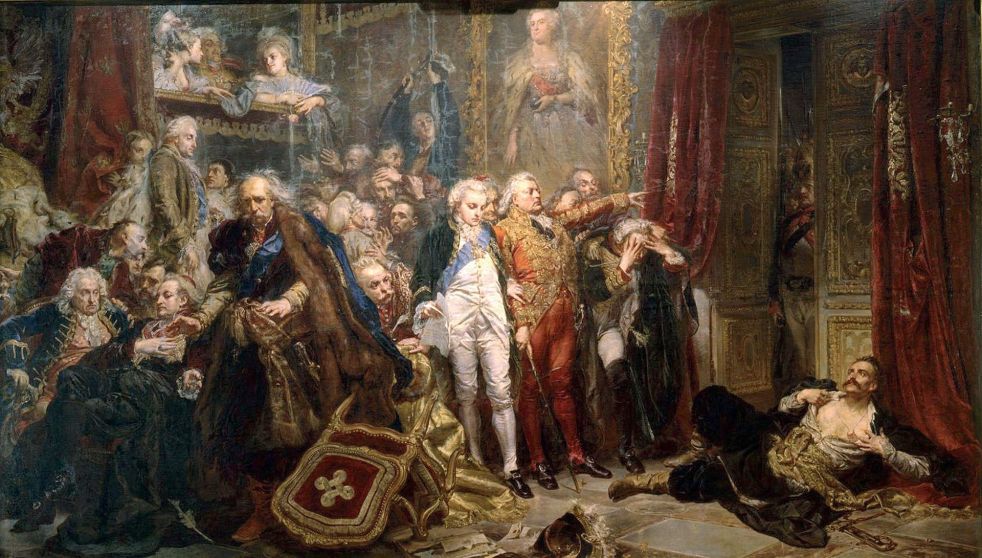
Like Tadeusz Rejtan, who desperately tried to halt the partition and disintegration of his country 1773, we must block the door of the room that is the European idea even as others begin to make their discreet or not so discreet exit. If we do not, then Europe’s slide will be unstoppable, and our great civilisation will pass to history.
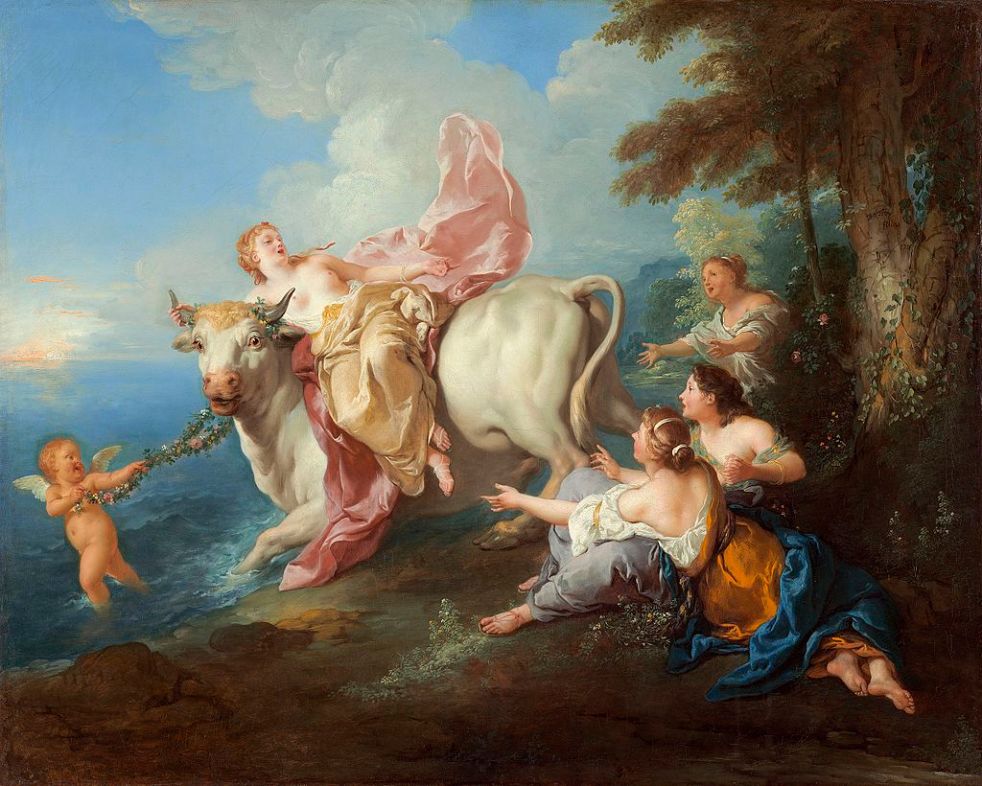
Europa is the home of difference and diversity, where new influences are not added to anything but clash and conflict with each other, fighting on the great Hegelian battleground of culture, creed and beliefs. The problem is of course, when this civic conflict of words, arguments, images and sounds becomes one of bullets and bayonets; it is then that we remember why we need a United Europa.
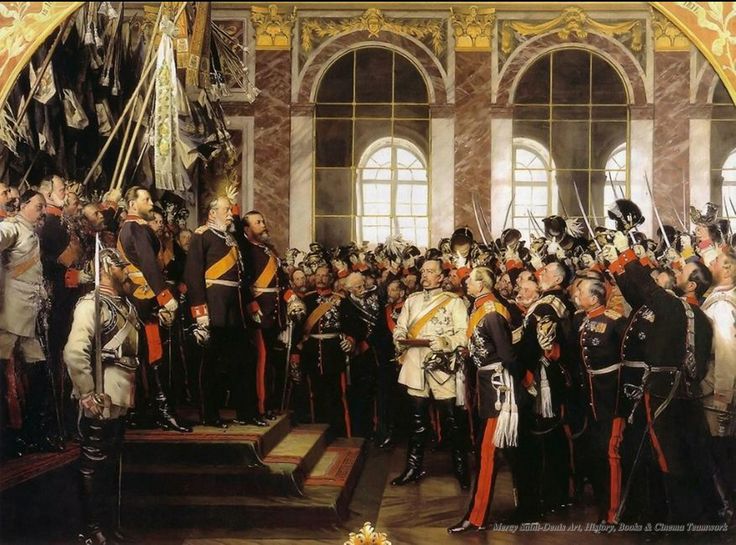
Europa, I think we can say with certainty however, is and long has been much more than a place on a map, contrary to Bismarck’s note in 1876 (‘Qui parle Europe a tort. Notion géographique’). Certainly, we can take Metternich’s foreshadowing of this comment in 1847, with the assertion that Italy was purely a geographic notion, as a sign that Germans are apt as misjudging political and social developments on this continent.
The European Union is among the most profound achievements of the last century; in many ways, it has changed the face of Europe and its place in the world, from one of violence, strife and oppression, to a beacon of ‘peace…democracy and…prosperity’. By the fin-de-siècle, commentators were hailing the ‘New European Century’ and a ‘beacon of light in a troubled world’. The latter commentator also argued that Europe’s aim was to seek ‘harmony, not hegemony’. This raises a key question, namely, the nature of Europe’s relationship with Imperial power.
We are at a crossroads in Europe; we have long since reached one of those decisive moments in history where we have to make decisions about the direction our societies are going to take, what are the forces which will be driving them and what will be the political context around them. Our commitment to a united Europe is chief among those questions. It is the defining political question of our time.
Europe has long been a discussion over a Europe of states and Europe of citizens. However the Europe we have today is neither. As Europeans, we will have to make a choice between the two before the forces unleashed by this Europe overwhelms us all.
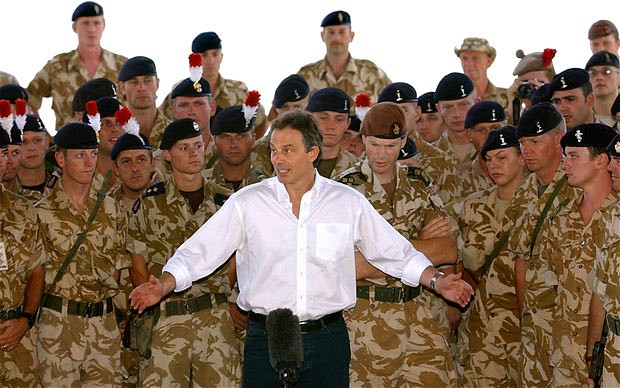
The Chilcot Report highlights the series of similarities between the disaster in 1956 during the Suez Crisis, again during the Iraq War 2003, and finally the EU referendum, 2016.